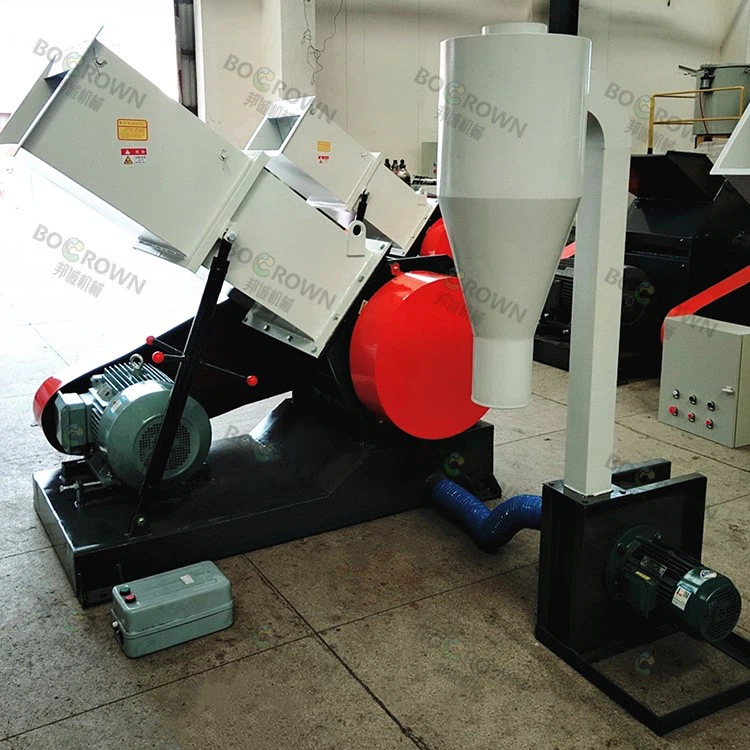
The main components of a crusher include hammers, liners, jaw plates, and the mantle. These components come into direct contact with the material and must withstand high-intensity impact and wear. Currently, the mainstream materials can be divided into the following categories:
High Manganese Steel (Mn13, Mn18) High manganese steel is a commonly used material for traditional crusher components. Its characteristic is that its surface hardens rapidly under strong impact (hardness can reach 500-600 HBW), forming a high-hardness, wear-resistant layer, while maintaining internal toughness. It is suitable for jaw plates of jaw crushers, mantles of cone crushers, etc., and is especially suitable for processing ores with high hardness (such as iron ore and granite). However, it should be noted that if the impact force is insufficient (such as when processing soft materials), the surface hardening effect will be weakened, leading to a decrease in wear resistance.
Alloy Steel (Cr-Mo Series) By adding elements such as chromium (Cr) and molybdenum (Mo), alloy steel significantly improves its hardness, wear resistance, and heat resistance. For example, Cr15Mo3 alloy steel is commonly used in hammer crusher hammers. Its hardness reaches 45-50 HRC, its wear resistance is 1.5-2 times that of high manganese steel, and it exhibits excellent fatigue resistance. It is suitable for crushing medium-hard materials (such as limestone and coal gangue), reducing the cost of frequent parts replacement.
Hard alloy (WC-Co) Hard alloy uses tungsten carbide (WC) as the matrix and cobalt (Co) as the binder. Its hardness reaches 85-93 HRA, and its wear resistance is more than 10 times that of high manganese steel. However, it is more expensive and is typically used in small crushers or critical wear parts (such as the throwing head of an impact crusher). It is suitable for crushing ultra-hard materials (such as basalt and silica ore), significantly extending its service life.
Composite materials (cermets, weld overlays) By overlaying high-hardness alloys (such as chromium carbide and tungsten carbide) or spraying cermet coatings onto the surface of the matrix material, a "hard surface, soft core" structure can be achieved. For example, the liners of jaw crushers use a high-manganese steel base with a chromium carbide weld overlay, which ensures both impact resistance and improved surface wear resistance. This is suitable for complex working conditions involving high wear and high impact, but the manufacturing process is complex and the cost is high.