Can a screw feeder be used for continuous feeding? This is a question that often comes up in industrial and manufacturing settings. As a screw feeder supplier, I am well - versed in the capabilities and applications of screw feeders, and I'm here to shed some light on this topic.

Understanding Screw Feeders
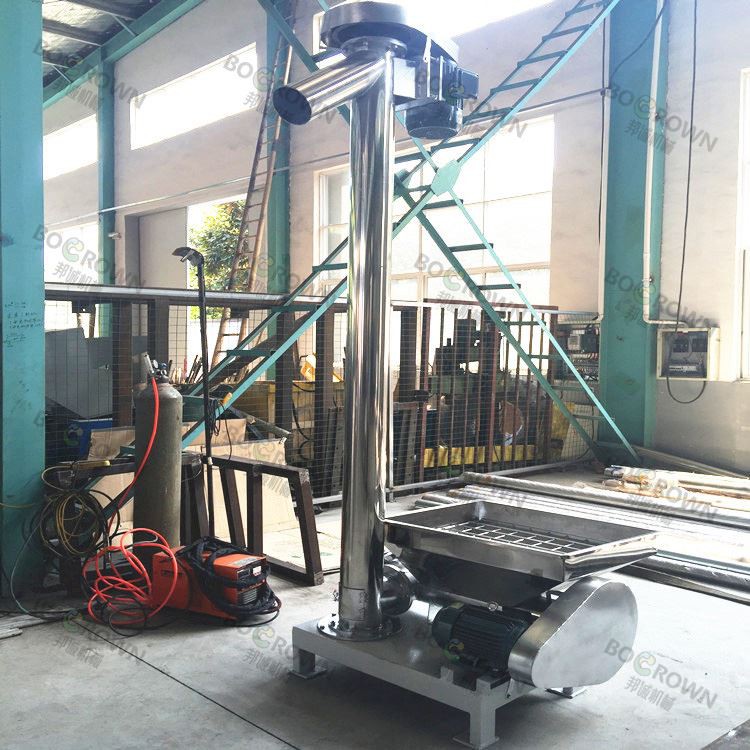
A screw feeder is a device that uses a rotating screw to move bulk materials from one location to another. It consists of a trough or tube, a screw conveyor, and a drive mechanism. The screw rotates within the trough, and as it does, it picks up the material and moves it along the length of the trough. Screw feeders are commonly used in a wide range of industries, including food processing, chemical manufacturing, and mining.
The Case for Continuous Feeding
One of the key advantages of screw feeders is their ability to provide continuous feeding. Unlike some other types of feeders that may operate in a batch - mode, screw feeders can deliver a steady stream of material over an extended period. This is crucial in many industrial processes where a consistent supply of raw materials is required for efficient production.
Steady Material Flow
Screw feeders can maintain a constant flow rate of materials. The rotation of the screw can be precisely controlled, allowing for accurate and consistent feeding. This is especially important in applications where the amount of material being fed directly affects the quality of the end - product. For example, in a chemical manufacturing process, a precise and continuous supply of reactants is necessary to ensure the correct chemical reactions take place.
Adaptability to Different Materials
Screw feeders can handle a wide variety of materials, from fine powders to large granules. This makes them suitable for continuous feeding in different industries. Whether it's a food processing plant that needs to feed flour continuously or a mining operation that requires the continuous movement of ore, screw feeders can be customized to meet the specific requirements of the material being handled.
Integration with Other Systems
Screw feeders can be easily integrated into existing production lines. They can be connected to other equipment such as mixers, conveyors, and packaging machines. This seamless integration allows for a continuous and automated production process. For instance, in a pharmaceutical manufacturing facility, a screw feeder can be used to continuously feed raw ingredients into a mixer, ensuring a consistent and efficient production process.
Types of Screw Feeders for Continuous Feeding
There are different types of screw feeders that are well - suited for continuous feeding.
Automatic Screw Feeder
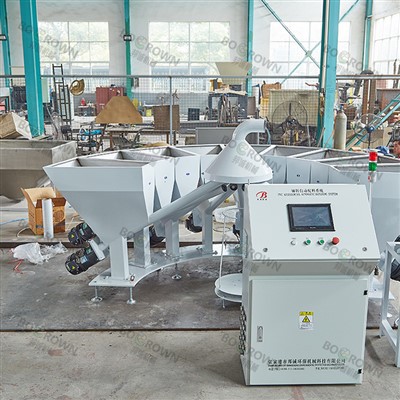
Automatic screw feeders are designed to operate with minimal human intervention. They can be programmed to control the speed and volume of material being fed. This makes them ideal for continuous feeding in high - volume production environments. These feeders often come with advanced control systems that can adjust the feeding rate based on real - time feedback, ensuring a consistent flow of material.
Single Shaft Screw Feeders
Single shaft screw feeders are a common choice for continuous feeding. They are simple in design and can handle a wide range of materials. The single screw rotates within a trough, moving the material along. These feeders are relatively easy to maintain and can be customized to fit different production requirements.
Horizontal Screw Feeder
Horizontal screw feeders are often used when the material needs to be moved horizontally over a long distance. They are suitable for continuous feeding in applications where space is limited and a horizontal movement of material is required. These feeders can be designed with different screw configurations to optimize the flow of material.
Factors Affecting Continuous Feeding with Screw Feeders
While screw feeders are well - suited for continuous feeding, there are several factors that need to be considered to ensure optimal performance.
Material Properties
The properties of the material being fed, such as its density, particle size, and flowability, can have a significant impact on the performance of the screw feeder. For example, materials with poor flowability may require special screw designs or additional agitation to ensure continuous feeding.
Screw Design
The design of the screw, including its pitch, diameter, and length, can affect the feeding rate and the efficiency of the feeder. A well - designed screw can ensure a smooth and continuous flow of material. For instance, a screw with a variable pitch can be used to control the flow rate of the material more precisely.
Drive System
The drive system of the screw feeder is crucial for continuous feeding. A reliable and adjustable drive system can ensure that the screw rotates at a consistent speed, providing a continuous flow of material. The drive system should be able to handle the load and torque requirements of the feeder.
Real - World Applications of Continuous Feeding with Screw Feeders
Screw feeders are widely used in various industries for continuous feeding.
Food Industry
In the food industry, screw feeders are used to continuously feed ingredients such as flour, sugar, and spices into mixing and processing equipment. This ensures a consistent quality of the final food products. For example, in a bakery, a screw feeder can be used to continuously feed flour into a dough mixer, maintaining a steady supply of the main ingredient.
Chemical Industry
In the chemical industry, screw feeders are used to feed raw materials into reactors and other processing equipment. The continuous feeding of chemicals is essential for maintaining the correct chemical reactions and ensuring the quality of the final products. For instance, in a fertilizer manufacturing plant, a screw feeder can be used to continuously feed nitrogen, phosphorus, and potassium compounds into the production process.
Mining Industry
In the mining industry, screw feeders are used to continuously feed ore into crushers and other processing equipment. This helps to maintain a steady production rate and improve the efficiency of the mining operation. For example, in a copper mine, a screw feeder can be used to continuously feed copper ore into a crusher, ensuring a continuous supply of material for further processing.
Conclusion
In conclusion, screw feeders are highly suitable for continuous feeding. Their ability to provide a steady and consistent flow of materials, adaptability to different materials, and ease of integration with other systems make them a popular choice in many industries. Whether you are in the food, chemical, or mining industry, a screw feeder can help you achieve efficient and continuous production.
If you are interested in learning more about our screw feeders or have specific requirements for continuous feeding in your industry, we would be more than happy to discuss your needs. Contact us to start a procurement discussion and find the perfect screw feeder solution for your business.
References
- Smith, J. (2018). Industrial Feeding Systems: A Comprehensive Guide. Publisher: Industrial Press.
- Brown, A. (2020). Screw Feeder Technology and Applications. Journal of Manufacturing Processes, 35, 123 - 135.
- Green, C. (2019). Continuous Feeding in Industrial Processes. Proceedings of the International Conference on Manufacturing Technology.