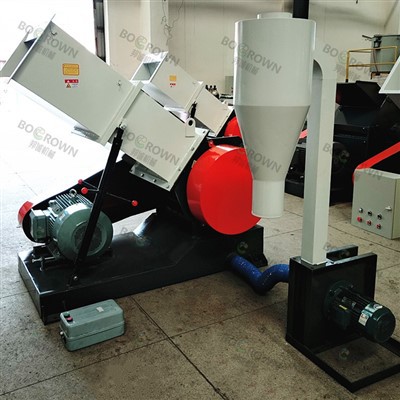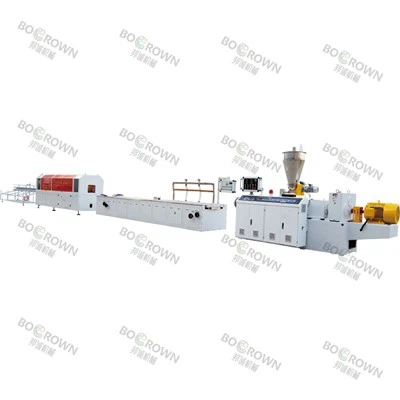
Hey there! As a supplier of vacuum feeders, I'm super excited to share with you all the awesome advantages of using these nifty machines. Let's dive right in!
1. Efficient Material Handling
One of the biggest perks of a vacuum feeder is its efficiency in material handling. Whether you're dealing with powders, granules, or small parts, a vacuum feeder can quickly and easily transfer them from one place to another. It uses suction to pick up the materials and then transports them through a pipeline to the desired location. This process is much faster than manual handling, which can save you a ton of time and labor costs.
For example, if you're in the food industry and need to move flour from a storage silo to a mixing machine, a vacuum feeder can do the job in a jiffy. It can handle large volumes of material without any hassle, ensuring a smooth and continuous production process.
2. Clean and Dust-Free Operation
Another great advantage of using a vacuum feeder is that it provides a clean and dust-free operation. When materials are transferred using a vacuum feeder, there's less chance of dust and debris being released into the air. This is especially important in industries where cleanliness is crucial, such as the pharmaceutical and food industries.
The vacuum feeder's closed system prevents dust from escaping, which not only keeps the working environment clean but also reduces the risk of health hazards for your employees. Plus, it helps to maintain the quality of your products by preventing contamination.
3. Precise and Accurate Feeding
Vacuum feeders offer precise and accurate feeding of materials. They can be programmed to dispense a specific amount of material at a time, ensuring consistent product quality. This is particularly important in industries where precise measurements are required, such as the chemical and electronics industries.
For instance, in the production of electronic components, a vacuum feeder can accurately dispense small amounts of solder paste or other materials, ensuring that each component is assembled correctly. This helps to reduce waste and improve the overall efficiency of the production process.
4. Versatility
Vacuum feeders are incredibly versatile and can be used in a wide range of industries and applications. They can handle different types of materials, including powders, granules, pellets, and even small parts. Whether you're in the food, pharmaceutical, chemical, or manufacturing industry, a vacuum feeder can meet your specific needs.
For example, in the pharmaceutical industry, a vacuum feeder can be used to transfer pills, capsules, and powders. In the food industry, it can be used to move ingredients such as sugar, salt, and spices. And in the manufacturing industry, it can be used to feed raw materials into production machines.
5. Easy Installation and Maintenance
Vacuum feeders are relatively easy to install and maintain. They come with detailed instructions and can be set up quickly and easily. Most vacuum feeders are also designed to be user-friendly, with simple controls and interfaces.
In terms of maintenance, vacuum feeders require minimal upkeep. Regular cleaning and inspection of the components are usually sufficient to keep the feeder running smoothly. And if any parts need to be replaced, they are readily available and easy to install.
6. Cost-Effective
Using a vacuum feeder can be a cost-effective solution for your business. While the initial investment may be higher compared to other feeding methods, the long-term savings in labor costs, material waste, and improved productivity can more than make up for it.
For example, by reducing the need for manual labor, a vacuum feeder can save you money on wages. It can also help to reduce material waste by ensuring accurate feeding, which can save you money on raw materials. And by improving the efficiency of your production process, a vacuum feeder can increase your overall output and profitability.
Types of Vacuum Feeders
There are different types of vacuum feeders available, each with its own unique features and advantages. Here are a few examples:
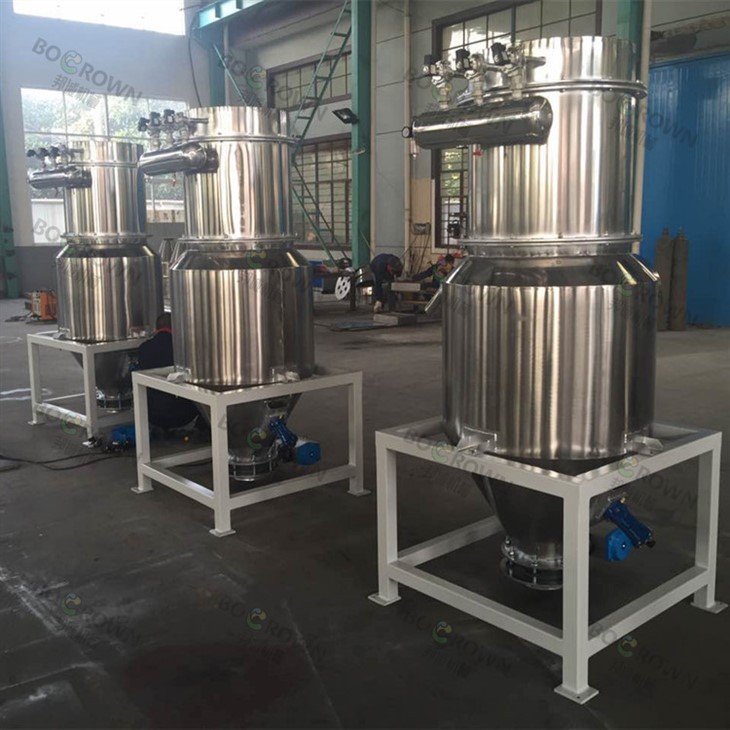
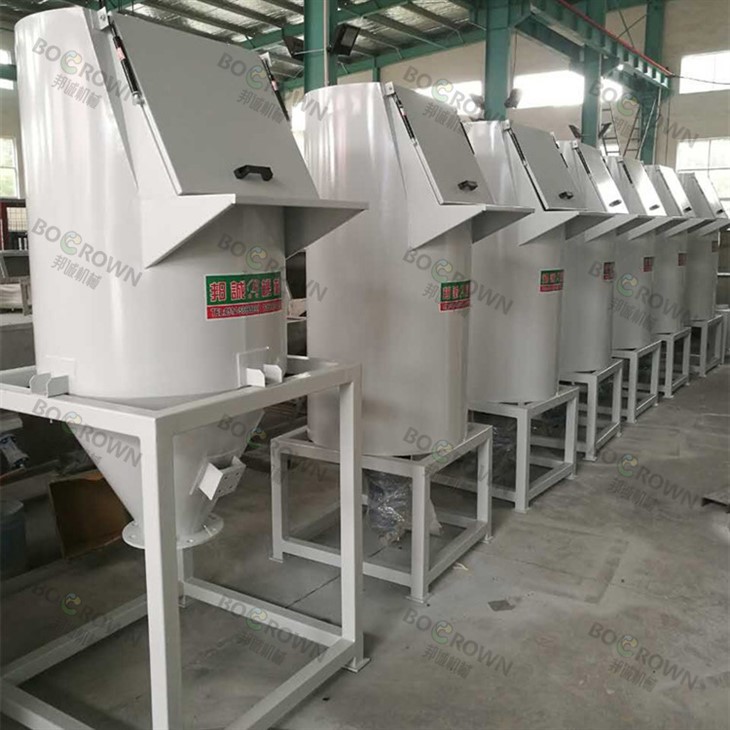
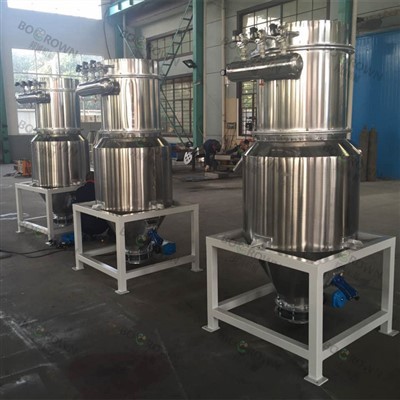
- Vacuum Feeder Machine: This is a general-purpose vacuum feeder that can be used for a variety of materials and applications. It's suitable for both small and large-scale operations.
- Pneumatic Vacuum Feeder: This type of vacuum feeder uses compressed air to create the suction needed to transfer materials. It's a popular choice for industries where a clean and efficient feeding system is required.
- Electric Vacuum Feeder: This vacuum feeder is powered by electricity and is ideal for applications where a high level of control and precision is needed. It's often used in industries such as pharmaceuticals and electronics.
Conclusion
In conclusion, using a vacuum feeder offers numerous advantages, including efficient material handling, clean and dust-free operation, precise and accurate feeding, versatility, easy installation and maintenance, and cost-effectiveness. Whether you're looking to improve the efficiency of your production process, reduce labor costs, or maintain a clean working environment, a vacuum feeder is a great investment.
If you're interested in learning more about our vacuum feeders or have any questions, please don't hesitate to contact us. We'd be happy to discuss your specific needs and provide you with a customized solution. Let's work together to take your business to the next level!
References
- Some industry reports on material handling equipment
- Technical manuals of vacuum feeders