As a supplier of bag filter dust collectors, I've witnessed firsthand how the choice of bag material can significantly impact the performance of these essential industrial devices. In this blog, I'll delve into the various materials used for filter bags and how they affect the overall performance of a bag filter dust collector.
Understanding the Basics of Bag Filter Dust Collectors
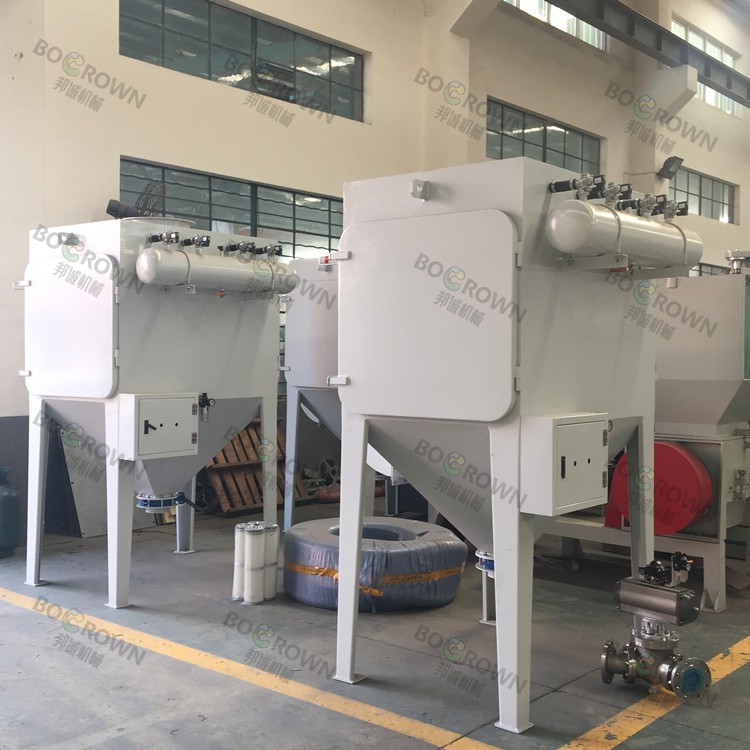
Before we explore the role of bag materials, let's briefly understand how bag filter dust collectors work. These systems are designed to remove dust and particulate matter from industrial exhaust gases. The process involves passing the dusty air through a series of filter bags. As the air flows through the bags, the dust particles are trapped on the surface of the bags, while the clean air passes through and is released into the environment.
The efficiency and effectiveness of a bag filter dust collector depend on several factors, including the design of the system, the airflow rate, and, most importantly, the material of the filter bags.
Common Materials Used for Filter Bags
There are several materials commonly used for filter bags in dust collectors, each with its own unique properties and advantages.
Polyester
Polyester is one of the most widely used materials for filter bags. It is known for its excellent mechanical strength, good chemical resistance, and relatively low cost. Polyester filter bags are suitable for a wide range of applications, including general industrial dust collection, woodworking, and food processing.
One of the key advantages of polyester is its high resistance to abrasion, which makes it ideal for applications where the dust particles are abrasive. Additionally, polyester has a relatively low moisture absorption rate, which helps to prevent the bags from becoming clogged with moisture and dust.
However, polyester has some limitations. It has a relatively low temperature resistance, typically up to around 130°C (266°F). In applications where the exhaust gases are hotter, other materials may be more suitable.
Nomex
Nomex is a high-performance aramid fiber that is known for its excellent heat resistance. It can withstand temperatures up to around 220°C (428°F), making it suitable for applications where the exhaust gases are hot, such as in the cement, steel, and power generation industries.
In addition to its heat resistance, Nomex also has good chemical resistance and mechanical strength. It is less prone to shrinkage and stretching compared to other materials, which helps to maintain the shape and integrity of the filter bags over time.
However, Nomex is more expensive than polyester, which may make it less suitable for some applications where cost is a major factor.
PTFE (Polytetrafluoroethylene)
PTFE is a synthetic fluoropolymer that is known for its excellent chemical resistance and non-stick properties. It can withstand a wide range of chemicals, including acids, alkalis, and solvents, making it suitable for applications where the exhaust gases contain corrosive substances.
PTFE filter bags also have a very low surface energy, which means that dust particles do not adhere easily to the surface of the bags. This makes it easier to clean the bags and maintain their performance over time.
However, PTFE is a relatively expensive material, and it has a lower mechanical strength compared to some other materials. This may limit its use in applications where the bags are subject to high mechanical stress.
Glass Fiber
Glass fiber is another material commonly used for filter bags. It has excellent heat resistance, withstanding temperatures up to around 260°C (500°F). Glass fiber filter bags are also known for their high filtration efficiency and good chemical resistance.
One of the key advantages of glass fiber is its high stiffness, which helps to maintain the shape of the filter bags and prevent them from collapsing under the weight of the dust. Additionally, glass fiber has a relatively low cost compared to some other high-performance materials.
However, glass fiber is relatively brittle and can be easily damaged by abrasion. It also has a relatively high moisture absorption rate, which may require additional measures to prevent the bags from becoming clogged with moisture and dust.
How the Material Affects the Performance of a Bag Filter Dust Collector
The choice of bag material can have a significant impact on the performance of a bag filter dust collector in several ways.
Filtration Efficiency
The filtration efficiency of a bag filter dust collector is determined by the ability of the filter bags to capture and retain dust particles. Different materials have different filtration efficiencies, depending on their pore size, surface area, and fiber structure.
For example, PTFE filter bags have a very high filtration efficiency due to their non-stick properties and small pore size. This allows them to capture even the smallest dust particles, resulting in a cleaner exhaust air.
On the other hand, polyester filter bags may have a slightly lower filtration efficiency compared to PTFE, but they are still effective for most general industrial applications.
Dust Release
The ability of the filter bags to release the captured dust is also an important factor in the performance of a bag filter dust collector. If the dust does not release easily from the bags, it can accumulate on the surface of the bags, increasing the pressure drop across the system and reducing the airflow rate.
Materials with good dust release properties, such as PTFE and some treated polyester fabrics, can help to prevent dust buildup and maintain the performance of the dust collector.
Chemical Resistance
In applications where the exhaust gases contain corrosive substances, the chemical resistance of the filter bags is crucial. Materials such as PTFE and Nomex have excellent chemical resistance and can withstand a wide range of chemicals without being damaged.
On the other hand, polyester filter bags may be more susceptible to chemical attack, especially in applications where the exhaust gases contain strong acids or alkalis.
Temperature Resistance
The temperature of the exhaust gases is another important factor to consider when choosing the material for the filter bags. Materials such as Nomex and glass fiber have high temperature resistance and can withstand hot exhaust gases without being damaged.
In contrast, polyester filter bags have a relatively low temperature resistance and may not be suitable for applications where the exhaust gases are very hot.
Choosing the Right Material for Your Bag Filter Dust Collector
When choosing the material for your bag filter dust collector, it's important to consider several factors, including the type of dust, the temperature and chemical composition of the exhaust gases, and the operating conditions of the system.
Here are some general guidelines to help you choose the right material:
- General Industrial Applications: For most general industrial applications, polyester filter bags are a good choice. They are cost-effective, have good mechanical strength, and are suitable for a wide range of dust types.
- High-Temperature Applications: If the exhaust gases are hot, materials such as Nomex or glass fiber may be more suitable. These materials have high temperature resistance and can withstand the heat without being damaged.
- Corrosive Environments: In applications where the exhaust gases contain corrosive substances, PTFE filter bags are a good choice. They have excellent chemical resistance and can withstand a wide range of chemicals without being damaged.
- Abrasive Dust: If the dust particles are abrasive, materials with high abrasion resistance, such as polyester or glass fiber, may be more suitable.
Conclusion
The material of the filter bags plays a crucial role in the performance of a bag filter dust collector. By choosing the right material, you can ensure that your dust collector operates efficiently and effectively, providing clean air and protecting the environment.
As a supplier of Filter Bag Dust Collectors, we offer a wide range of filter bags made from different materials to meet the specific needs of our customers. If you have any questions or need help choosing the right material for your application, please don't hesitate to contact us. We'll be happy to assist you in finding the best solution for your dust collection needs.
References
- "Bag Filter Handbook," published by the American Filtration and Separations Society.
- "Industrial Dust Collection Systems," by David W. Cooper and F. C. Alley.
- Technical data sheets provided by filter bag manufacturers.