Hey there! As a supplier of twin - screw extruders, I've been getting a lot of questions lately about the control system of these machines. So, I thought I'd break it down for you in this blog post. By the end, you'll have a pretty good idea of what goes on behind the scenes to make a twin - screw extruder work like a charm.
So, what exactly is the control system of a twin - screw extruder? Well, in simple terms, it's the set of components and software that allow you to manage and monitor every aspect of the extrusion process. From the speed of the screws to the temperature of the barrel, the control system is like the brain of the machine.
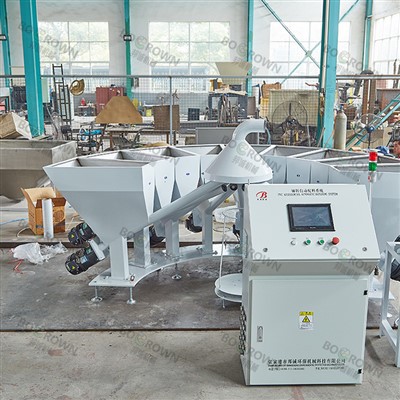
Let's start with the basics. The control system typically consists of a control panel, sensors, actuators, and a programmable logic controller (PLC). The control panel is where you interact with the machine. It's usually a touch - screen interface that lets you set various parameters such as screw speed, temperature, and pressure. You can also monitor real - time data from the sensors, which are placed throughout the extruder to measure things like temperature, pressure, and torque.
The sensors are crucial for ensuring that the extrusion process runs smoothly. For example, temperature sensors are placed along the barrel to make sure that the material being extruded is at the right temperature. If the temperature is too high, the material might degrade. If it's too low, the material might not flow properly. Pressure sensors are also important. They help you keep an eye on the pressure inside the barrel, which can affect the quality of the extruded product.
Actuators are the components that actually make things happen in the extruder. For instance, there are actuators for controlling the speed of the screws. By adjusting the speed, you can control the output rate of the extruder. There are also actuators for controlling the feed rate of the material into the barrel.
The PLC is the heart of the control system. It's a computer that runs the software that controls the extruder. The PLC takes input from the sensors, processes it, and then sends commands to the actuators. It can also store data about the extrusion process, which can be useful for troubleshooting and quality control.


Now, let's talk about some of the key features of a good control system. One important feature is the ability to set and maintain precise parameters. This is crucial for producing high - quality products. For example, if you're making plastic pipes, you need to make sure that the wall thickness is consistent throughout the length of the pipe. The control system should allow you to set the screw speed, temperature, and pressure accurately to achieve this.
Another important feature is the ability to monitor and record data. This can help you identify any issues with the extrusion process early on. For example, if you notice that the temperature is fluctuating more than normal, it could be a sign of a problem with the heating system. By having access to historical data, you can also analyze trends and make improvements to the process over time.
Some control systems also come with advanced features such as remote monitoring and control. This means that you can access the control system from anywhere in the world using a computer or a mobile device. This is especially useful for large manufacturing plants where you might have multiple extruders running at the same time.
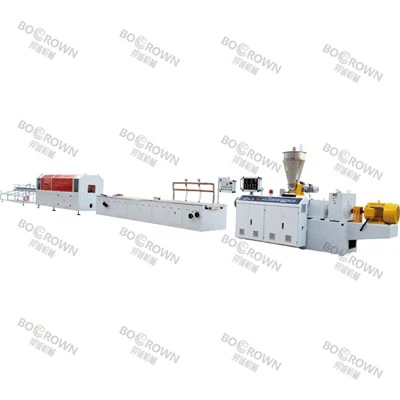
If you're in the market for a twin - screw extruder, it's important to choose one with a reliable control system. At our company, we offer a range of twin - screw extruders, including the Co - rotating Twin Screw Extruder and the Twin - screw Extruder. Our control systems are designed to be user - friendly and reliable, with all the features I've mentioned above.
Whether you're a small business looking to start producing plastic products or a large manufacturing company looking to upgrade your equipment, our twin - screw extruders can meet your needs. Our control systems are easy to operate, and we offer excellent customer support to help you get the most out of your machine.
If you're interested in learning more about our twin - screw extruders and their control systems, or if you're ready to start a purchase negotiation, don't hesitate to reach out. We're here to answer any questions you might have and to help you find the right solution for your business.
References
- "Extrusion Technology for Polymers" by Miles A. Spalding
- "Plastics Extrusion Technology" by Chris Rauwendaal