Hey there! As a supplier of filter cartridge dust collectors, I've seen firsthand how crucial proper ventilation is when using these machines. In this blog post, I'll share some tips on how to ensure your filter cartridge dust collector has the right ventilation to work effectively.
Why Proper Ventilation Matters
First off, let's talk about why ventilation is so important. A filter cartridge dust collector is designed to capture and remove dust and other particles from the air. But if the ventilation isn't right, it won't be able to do its job properly.
Without proper ventilation, the dust collector can become overloaded. This means that the filters will get clogged faster, reducing their efficiency and lifespan. It can also lead to a build - up of dust in the working environment, which is not only bad for the equipment but also for the health of the people working there.
Sizing the Ventilation System
One of the first steps in ensuring proper ventilation is to size the ventilation system correctly. This involves calculating the volume of air that needs to be moved through the dust collector.
The size of the dust collector and the type of dust it's collecting play a big role in determining the ventilation requirements. For example, if you're collecting fine dust, you'll need a higher air flow rate compared to collecting larger particles.
To calculate the air flow rate, you need to know the size of the work area, the type of processes generating the dust, and the number of air changes per hour required. There are some online calculators available that can help you with these calculations. But if you're not sure, it's always a good idea to consult with an expert.
Placement of the Dust Collector
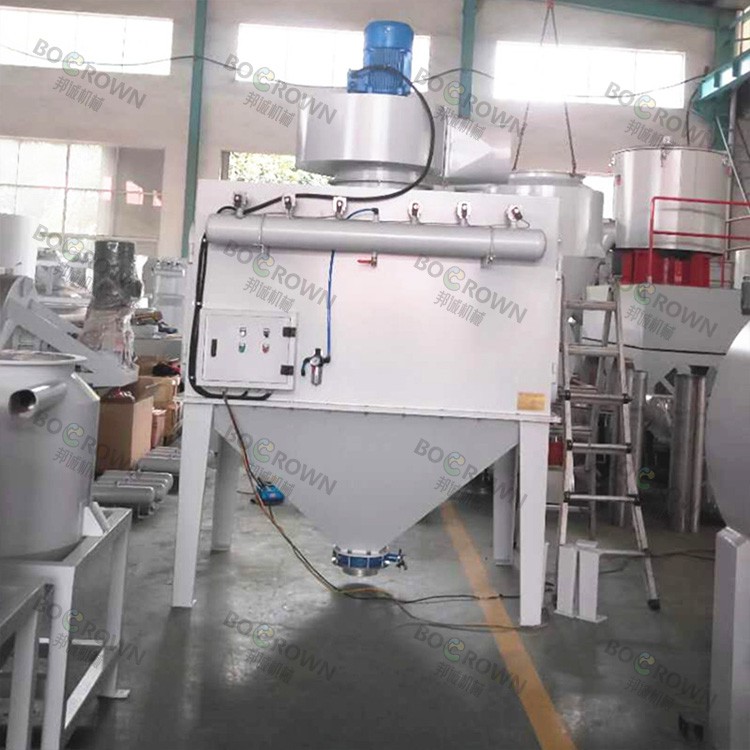
The placement of the filter cartridge dust collector also affects ventilation. It should be placed in an area where there is enough space for air to flow freely around it.
Avoid placing the dust collector in a corner or against a wall, as this can restrict the air flow. Instead, try to position it in an open area where air can enter and exit easily.
Also, make sure that the intake and exhaust vents of the dust collector are not blocked. The intake vent should be located away from sources of dust and contaminants, and the exhaust vent should be directed outside the building to prevent the recirculation of dust - laden air.
Maintaining the Ventilation System
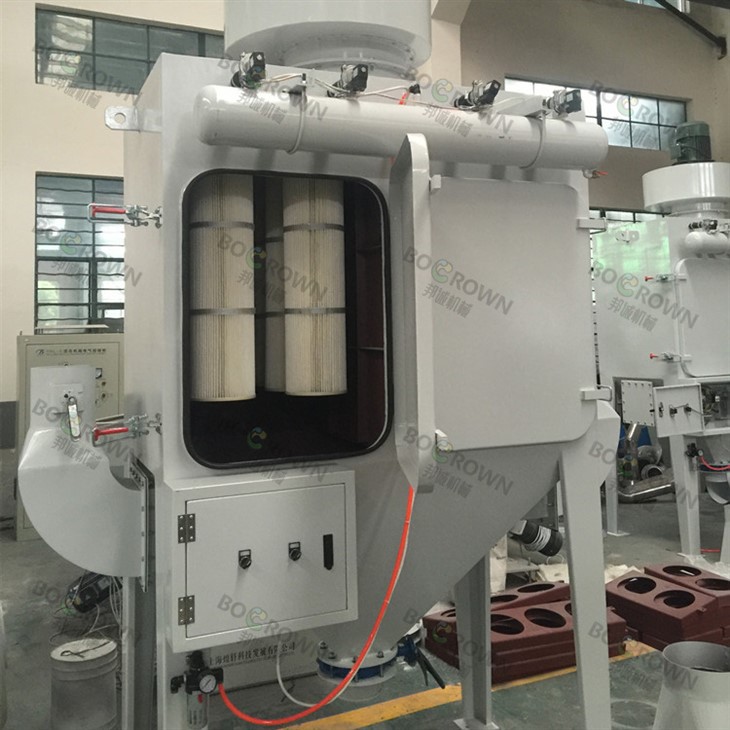
Regular maintenance of the ventilation system is essential for proper operation. This includes cleaning or replacing the filters, checking the fans and motors, and inspecting the ductwork for any leaks or blockages.
Filters are the heart of the dust collector, and they need to be kept clean. Over time, dust will accumulate on the filters, reducing their efficiency. You should follow the manufacturer's recommendations for filter cleaning or replacement. Some filters can be cleaned by shaking or using compressed air, while others may need to be replaced entirely.
The fans and motors that drive the ventilation system also need to be checked regularly. Make sure they are running smoothly and that there are no signs of wear or damage. If you notice any unusual noises or vibrations, it could be a sign of a problem that needs to be addressed.
Inspecting the ductwork is also important. Look for any signs of leaks, such as dust escaping from the joints or connections. Leaks can reduce the efficiency of the ventilation system and allow dust to enter the working environment. If you find any leaks, seal them using appropriate materials.
Using the Right Accessories
There are several accessories that can help improve the ventilation of a filter cartridge dust collector. For example, a pre - filter can be installed before the main filter to capture larger particles. This can extend the life of the main filter and improve the overall efficiency of the dust collector.
Another useful accessory is a differential pressure gauge. This gauge measures the pressure difference across the filter, which can indicate when the filter is getting clogged. When the pressure difference reaches a certain level, it's time to clean or replace the filter.
You can also consider using a variable frequency drive (VFD) for the fan. A VFD allows you to adjust the speed of the fan based on the actual dust load. This can save energy and improve the performance of the dust collector.
Importance of Regular Inspections
Regular inspections are key to ensuring proper ventilation. You should conduct visual inspections of the dust collector and the ventilation system on a regular basis. Look for any signs of damage, wear, or blockages.
In addition to visual inspections, it's also a good idea to perform performance tests. This can involve measuring the air flow rate, the pressure drop across the filters, and the dust concentration in the exhaust air. These tests can help you identify any problems early on and take corrective action.
Conclusion
Proper ventilation is essential for the effective operation of a filter cartridge dust collector. By sizing the ventilation system correctly, placing the dust collector in the right location, maintaining the system regularly, using the right accessories, and conducting regular inspections, you can ensure that your dust collector works at its best.
If you're in the market for a filter cartridge dust collector or need help with ventilation for your existing system, we're here to assist you. We offer a wide range of Bin Vent Dust Collectors, Dust Collector Cartridge Filter, and Filter Dust Collector products. Contact us to discuss your specific needs and let's work together to find the best solution for your dust collection requirements.
References
- Industrial Ventilation: A Manual of Recommended Practice, American Conference of Governmental Industrial Hygienists
- Dust Collection Handbook, Donaldson Company, Inc.