In the PVC manufacturing industry, the dosing of additives is a critical process that significantly impacts the quality and performance of the final product. As a leading supplier of PVC additives dosing machines, we understand the importance of optimizing the performance of these machines to ensure efficient and accurate dosing. In this blog, we will explore various strategies and techniques to enhance the performance of PVC additives dosing machines.
Understanding the Basics of PVC Additives Dosing Machines
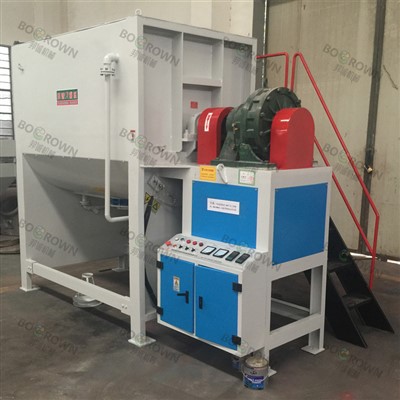
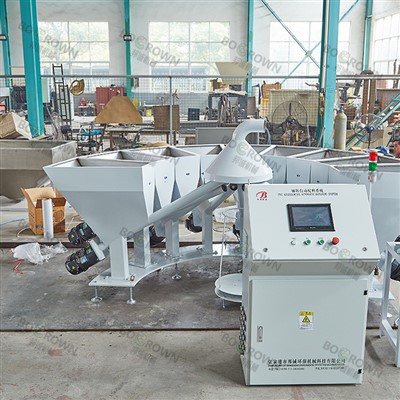
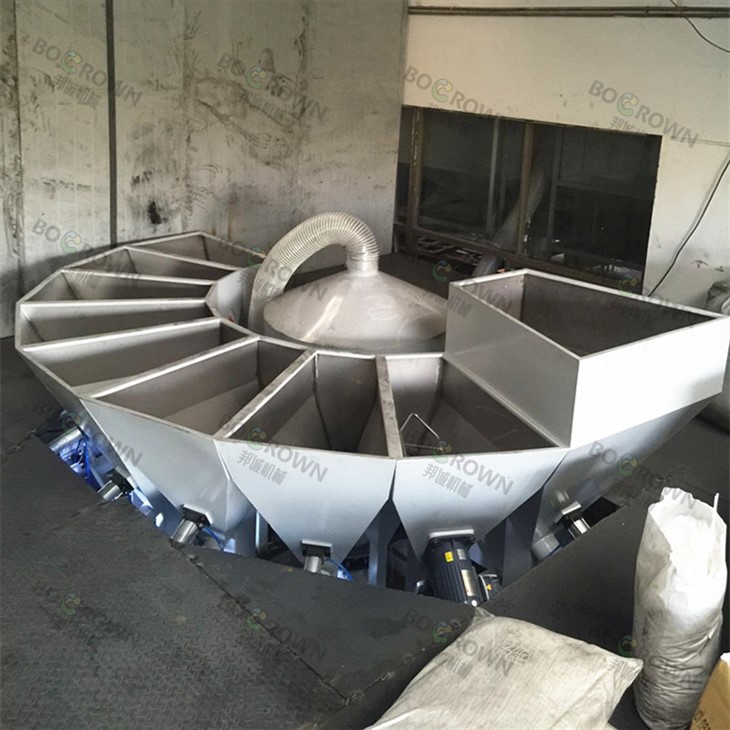
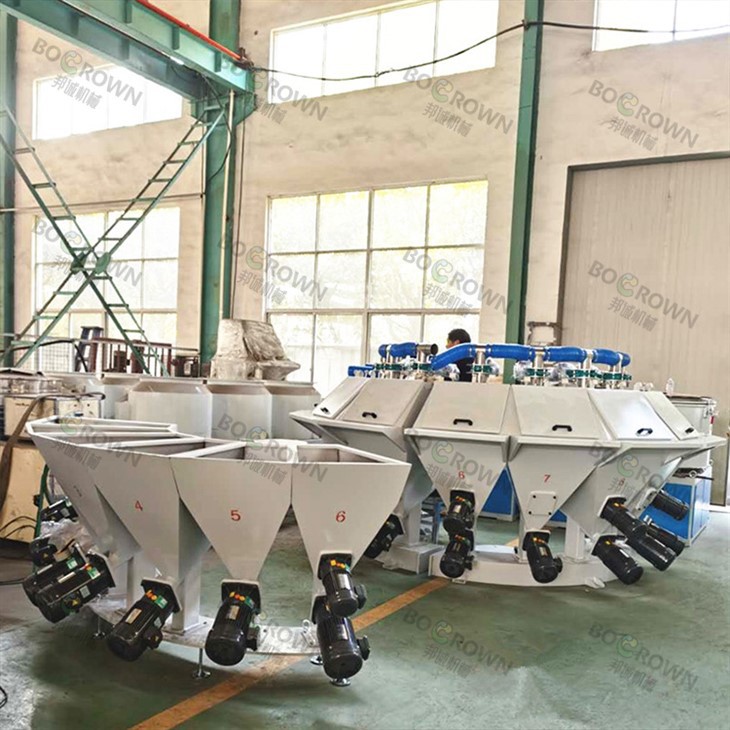
Before delving into optimization strategies, it's essential to understand the basic components and operation of PVC additives dosing machines. These machines are designed to precisely measure and dispense specific amounts of additives into the PVC production process. They typically consist of a hopper for storing additives, a dosing unit for measuring the additives, and a conveying system for transferring the additives to the mixing area.
The dosing unit is the heart of the machine, and its accuracy and reliability are crucial for achieving consistent dosing results. There are several types of dosing units available, including volumetric dosing units and gravimetric dosing units. Volumetric dosing units measure additives based on volume, while gravimetric dosing units measure additives based on weight. Gravimetric dosing units are generally more accurate and are preferred for applications where precise dosing is required.
Factors Affecting the Performance of PVC Additives Dosing Machines
Several factors can affect the performance of PVC additives dosing machines. These include:
- Additive Characteristics: The physical and chemical properties of the additives, such as particle size, density, and flowability, can impact the dosing accuracy. Additives with poor flowability may cause blockages in the dosing system, leading to inconsistent dosing.
- Machine Design and Configuration: The design and configuration of the dosing machine, including the type of dosing unit, the size of the hopper, and the conveying system, can affect the performance of the machine. A well-designed machine with appropriate components can ensure accurate and efficient dosing.
- Operating Conditions: The operating conditions, such as temperature, humidity, and pressure, can also affect the performance of the dosing machine. Extreme temperatures or humidity levels can cause the additives to clump or stick, leading to dosing errors.
- Maintenance and Calibration: Regular maintenance and calibration of the dosing machine are essential for ensuring its optimal performance. Over time, the components of the machine may wear out or become misaligned, leading to dosing inaccuracies.
Strategies for Optimizing the Performance of PVC Additives Dosing Machines
To optimize the performance of PVC additives dosing machines, the following strategies can be implemented:
- Select the Right Dosing Unit: Choose a dosing unit that is suitable for the type of additives and the dosing requirements. Gravimetric dosing units are generally more accurate and are recommended for applications where precise dosing is required.
- Ensure Proper Additive Handling: Proper handling of the additives is crucial for ensuring accurate dosing. Store the additives in a dry and clean environment to prevent clumping or sticking. Use appropriate conveying systems to transfer the additives to the dosing machine, and ensure that the conveying system is free from blockages.
- Optimize the Machine Design and Configuration: Design the dosing machine to meet the specific requirements of the application. Consider factors such as the type of additives, the dosing rate, and the production capacity when selecting the components of the machine. Ensure that the hopper is large enough to hold an adequate supply of additives, and that the conveying system is capable of transferring the additives to the mixing area efficiently.
- Monitor and Control the Operating Conditions: Monitor and control the operating conditions, such as temperature, humidity, and pressure, to ensure that they are within the recommended range. Use sensors and control systems to monitor the operating conditions and make adjustments as needed.
- Perform Regular Maintenance and Calibration: Regular maintenance and calibration of the dosing machine are essential for ensuring its optimal performance. Follow the manufacturer's recommendations for maintenance and calibration, and perform these tasks at regular intervals. Check the components of the machine for wear and tear, and replace any worn or damaged parts as needed.
- Use Advanced Technology and Automation: Consider using advanced technology and automation to improve the performance of the dosing machine. For example, use a programmable logic controller (PLC) to control the dosing process and monitor the performance of the machine. This can help to ensure accurate and consistent dosing, and reduce the risk of human error.
Benefits of Optimizing the Performance of PVC Additives Dosing Machines
Optimizing the performance of PVC additives dosing machines can provide several benefits, including:
- Improved Product Quality: Accurate dosing of additives can ensure consistent product quality, which is essential for meeting customer requirements and maintaining a competitive edge in the market.
- Increased Production Efficiency: Efficient dosing of additives can reduce production time and increase productivity, leading to lower production costs and higher profitability.
- Reduced Waste: Precise dosing of additives can minimize waste and reduce the cost of raw materials, which can have a significant impact on the bottom line.
- Enhanced Safety: Proper dosing of additives can ensure the safety of the production process and the workers involved. By using a reliable dosing machine, the risk of over-dosing or under-dosing can be minimized, reducing the potential for accidents and injuries.
Conclusion
Optimizing the performance of PVC additives dosing machines is essential for ensuring efficient and accurate dosing of additives in the PVC manufacturing process. By understanding the basic components and operation of the dosing machine, identifying the factors that affect its performance, and implementing the appropriate strategies and techniques, manufacturers can improve the quality of their products, increase production efficiency, reduce waste, and enhance safety.
As a leading supplier of PVC additives dosing machines, we offer a range of high-quality machines that are designed to meet the specific needs of our customers. Our machines are equipped with advanced technology and automation features to ensure accurate and consistent dosing. We also provide comprehensive after-sales support, including maintenance and calibration services, to ensure the optimal performance of our machines.
If you are interested in learning more about our PVC additives dosing machines or would like to discuss your specific requirements, please contact us. We look forward to hearing from you and helping you optimize the performance of your PVC additives dosing process.