Hey there! I'm a supplier of PVC additives dosing machines, and I often get asked about the certifications required for these machines. In this blog post, I'll break down the key certifications you need to know about if you're in the market for a PVC additives dosing machine.

Why Certifications Matter
Certifications are like a stamp of approval that shows a product meets certain standards. For PVC additives dosing machines, these standards are crucial for ensuring safety, quality, and compliance with industry regulations. Whether you're a manufacturer looking to streamline your production process or a business owner aiming to improve the quality of your PVC products, having a certified dosing machine is a must.
CE Certification
One of the most well - known certifications for machinery in Europe is the CE certification. The CE mark indicates that the product complies with the essential health and safety requirements set by the European Union. For a PVC additives dosing machine, this means that it has been tested to ensure it doesn't pose any risks to operators, such as electrical hazards, mechanical failures, or exposure to harmful substances.
The CE certification process involves a series of tests and assessments. Manufacturers need to demonstrate that their machines meet the relevant European directives, such as the Machinery Directive and the Low Voltage Directive. This includes aspects like proper guarding to prevent access to moving parts, electrical insulation to avoid shocks, and clear instructions for safe operation.
If you're planning to sell your PVC products in the European market, having a CE - certified dosing machine is non - negotiable. It not only ensures compliance but also gives your customers confidence in the quality and safety of your equipment.
UL Certification
In the United States, the Underwriters Laboratories (UL) certification is highly regarded. UL is an independent safety science company that tests and certifies products to meet specific safety standards. A PVC additives dosing machine with UL certification has been thoroughly evaluated for electrical safety, fire resistance, and mechanical integrity.
UL certification is important because it assures users that the machine has been designed and built to prevent potential hazards. For example, it ensures that the electrical components are properly insulated to prevent short circuits and that the machine is constructed in a way that minimizes the risk of fire. If you're targeting the US market, having a UL - certified dosing machine can give you a competitive edge.
ISO Certification
The International Organization for Standardization (ISO) offers a range of certifications that are relevant to PVC additives dosing machines. ISO 9001, for instance, focuses on quality management systems. A machine with ISO 9001 certification means that the manufacturer has a well - defined quality management process in place. This includes everything from design and development to production, installation, and after - sales service.
ISO 14001 is another important certification, which deals with environmental management. In the context of a PVC additives dosing machine, this means that the manufacturer is committed to reducing its environmental impact. This could involve measures like energy - efficient design, proper waste management, and the use of environmentally friendly materials.
Other Certifications
There are also other certifications that may be relevant depending on the specific application and market. For example, if your dosing machine is used in the food or pharmaceutical industry, you may need certifications like FDA (Food and Drug Administration) approval. This ensures that the machine is safe for use in contact with food or drugs and meets the strict hygiene and safety standards set by the FDA.
How to Choose a Certified Dosing Machine
When you're in the market for a PVC additives dosing machine, it's important to look for a supplier that offers certified products. Here are some tips to help you make the right choice:
- Research the Certifications: Make sure you understand what each certification means and why it's important for your specific needs. Don't just rely on the presence of a certification; understand the standards behind it.
- Check the Supplier's Reputation: Look for a supplier with a good track record of providing high - quality, certified products. Read customer reviews and testimonials to get an idea of their reliability.
- Ask for Documentation: A reputable supplier should be able to provide you with documentation of the certifications. This includes certificates and test reports that prove the machine meets the required standards.
Our Products
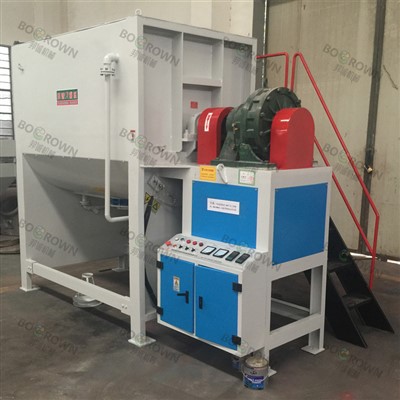
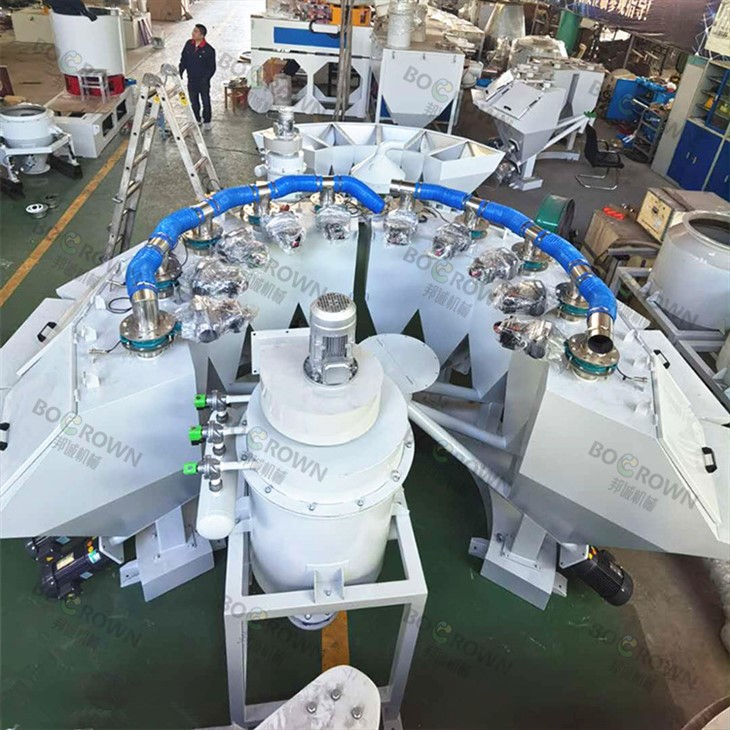
As a PVC additives dosing machine supplier, we offer a range of certified products to meet your needs. We have Small Ingredient Dosing Machine that are perfect for small - scale operations. These machines are designed to accurately dose small amounts of additives, ensuring consistent product quality.
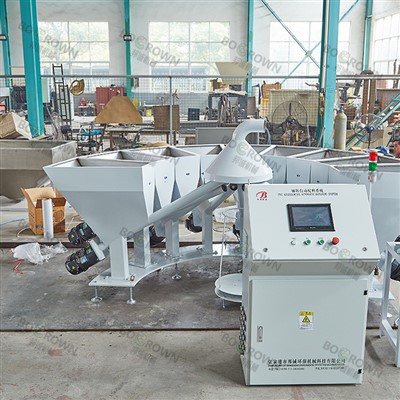
For larger - scale production, we also have Automatic Dosing System. These systems are fully automated, which can significantly improve efficiency and reduce labor costs. All of our machines are CE, UL, and ISO certified, so you can be confident in their quality and safety.
Conclusion
In conclusion, certifications are an essential part of choosing a PVC additives dosing machine. They ensure that the machine is safe, reliable, and compliant with industry standards. Whether you're looking for a small - scale dosing machine or a large - scale automatic dosing system, make sure to choose a certified product from a reputable supplier.
If you're interested in learning more about our PVC additives dosing machines or have any questions about the certifications, feel free to reach out. We're here to help you find the right solution for your business. Let's start a conversation and see how we can work together to improve your PVC production process.
References
- European Union Machinery Directive
- Underwriters Laboratories (UL) standards
- International Organization for Standardization (ISO) standards
- Food and Drug Administration (FDA) regulations