What is the feeding stability of a feeder machine?
In the industrial manufacturing and processing sectors, feeder machines play a crucial role in ensuring the smooth and efficient operation of production lines. Feeding stability is one of the most important performance indicators of a feeder machine. As a supplier of feeder machines, understanding and optimizing feeding stability is essential for meeting the diverse needs of our customers.
Definition of Feeding Stability
Feeding stability refers to the ability of a feeder machine to deliver a consistent and accurate amount of material over a specified period. It is characterized by the uniformity of the material flow rate, the precision of the feeding volume, and the reliability of the feeding process. A feeder machine with high feeding stability can maintain a constant material supply, which is crucial for the quality and efficiency of the subsequent production processes.
Factors Affecting Feeding Stability
- Material Properties
- The physical and chemical properties of the material being fed have a significant impact on feeding stability. For example, materials with high moisture content may clump together, leading to uneven feeding. Similarly, materials with different particle sizes and shapes can cause blockages or inconsistent flow rates. As a feeder machine supplier, we need to consider these material properties when selecting and designing feeder machines.
- Some materials are also prone to electrostatic charges, which can cause them to stick to the feeder components and disrupt the feeding process. To address this issue, we can use anti - static coatings or grounding devices in our feeder machines.
- Mechanical Design
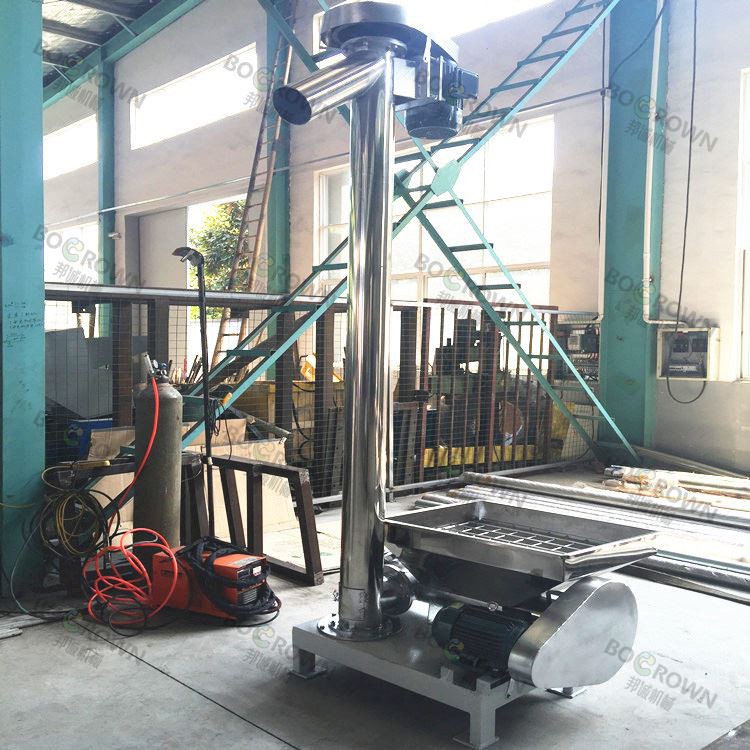
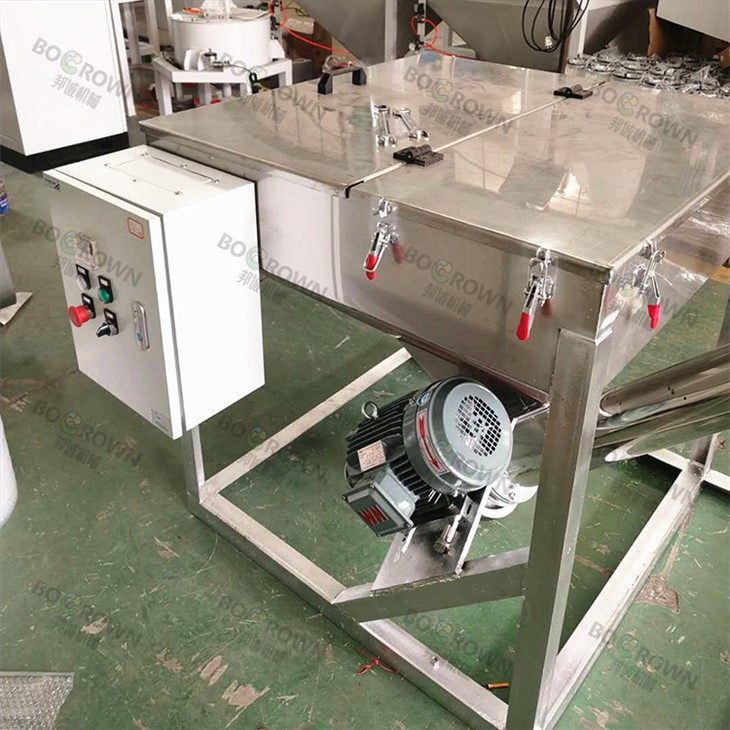
- The design of the feeder machine itself is another critical factor. The shape and size of the hopper, the type of feeding mechanism (such as screw feeders, belt feeders, or pneumatic feeders), and the speed control system all affect feeding stability.
- For instance, a well - designed hopper should prevent material bridging and ensure a smooth flow of material into the feeding mechanism. The feeding mechanism should be able to accurately control the amount of material being fed. Our Adjustable Plug Screw Feeder is designed with a precise screw pitch and adjustable speed control, which allows for accurate and stable feeding of various materials.
- Control System
- A reliable control system is essential for maintaining feeding stability. The control system can monitor and adjust the feeding parameters in real - time based on the actual production requirements. For example, it can adjust the speed of the feeder motor to compensate for changes in material density or flow rate.
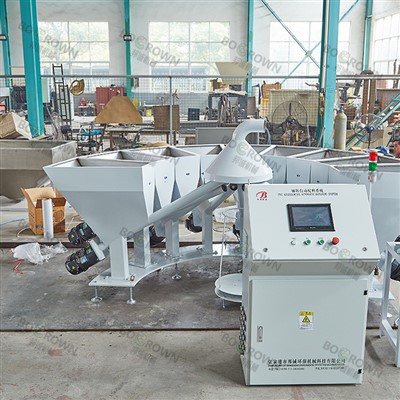
- Advanced control systems can also detect and correct feeding errors, such as blockages or over - feeding. Our Automatic Screw Feeder is equipped with a sophisticated control system that ensures accurate and stable feeding, even under varying operating conditions.
Importance of Feeding Stability
- Product Quality
- In many manufacturing processes, the quality of the final product is directly related to the consistency of the material input. For example, in the pharmaceutical industry, accurate and stable feeding of active ingredients is crucial for ensuring the efficacy and safety of drugs. In the food industry, consistent feeding of ingredients is necessary for maintaining the taste and texture of the products.
- By providing feeder machines with high feeding stability, we can help our customers improve the quality of their products and meet the strict quality standards in their respective industries.
- Production Efficiency
- Feeding stability also has a significant impact on production efficiency. A feeder machine with stable feeding can reduce downtime caused by feeding problems, such as blockages or uneven feeding. This allows for continuous and efficient production, increasing the overall productivity of the production line.
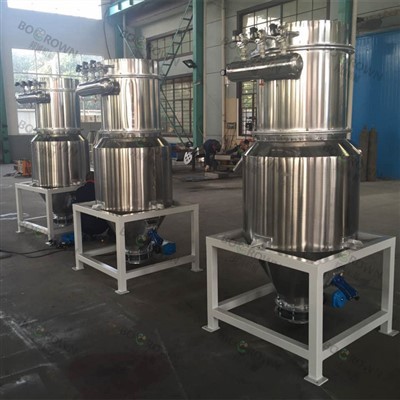
- Additionally, stable feeding can optimize the use of raw materials, reducing waste and costs. Our Pneumatic Vacuum Feeder is designed to provide stable and efficient feeding, which can significantly improve the production efficiency of our customers.
- Cost - Effectiveness
- In the long run, investing in feeder machines with high feeding stability can be cost - effective. By reducing production downtime and waste, companies can save on labor, raw materials, and maintenance costs. Moreover, high - quality feeder machines with stable feeding performance have a longer service life, reducing the need for frequent replacements.
Measuring Feeding Stability
There are several methods to measure the feeding stability of a feeder machine. One common method is to measure the variation in the material flow rate over a period of time. This can be done using flow meters or load cells. The smaller the variation in the flow rate, the higher the feeding stability.
Another method is to analyze the particle size distribution of the fed material. If the particle size distribution remains relatively constant over time, it indicates a stable feeding process.
Improving Feeding Stability
As a feeder machine supplier, we are committed to improving the feeding stability of our products. We continuously research and develop new technologies and designs to address the factors that affect feeding stability.
- Material Handling Improvements
- We can provide solutions for handling difficult - to - feed materials, such as using special coatings on the feeder components to prevent material sticking or using vibration devices to promote material flow.
- Mechanical Design Optimization
- We optimize the design of our feeder machines to ensure smooth material flow and accurate feeding. This includes improving the hopper design, selecting the appropriate feeding mechanism, and enhancing the speed control system.
- Control System Upgrades
- We invest in advanced control systems that can monitor and adjust the feeding parameters in real - time. These control systems can also provide diagnostic information to help operators quickly identify and solve feeding problems.
Conclusion
Feeding stability is a critical performance indicator of feeder machines. It is affected by various factors, including material properties, mechanical design, and control systems. As a feeder machine supplier, we understand the importance of feeding stability for our customers' production processes. By providing high - quality feeder machines with stable feeding performance, we can help our customers improve product quality, increase production efficiency, and reduce costs.
If you are interested in our feeder machines and want to discuss your specific feeding requirements, please feel free to contact us. We are ready to provide you with professional solutions and excellent service.
References
- "Industrial Feeder Machines: Principles and Applications" by John Smith
- "Feeding Technology in Manufacturing Processes" by Mary Johnson
- "Optimizing Feeding Stability in Industrial Production" by David Brown