Industrial shredders frequently generate significant amounts of dust when processing various types of solid waste; this not only pollutes the workshop environment but also poses health risks to operators. To effectively suppress dust, a dust control system is typically established based on the following four core dimensions:
1. Fully Enclosed Chamber and Sealing Design
Physical isolation is the primary measure for dust control. Modern industrial shredders typically feature fully enclosed welded housings and sealed feed hoppers, structurally preventing dust from escaping into the workshop. Critical connection points-such as feed inlets, discharge outlets, and cutter shafts-utilize labyrinth seals or high-performance sealing strips. This rigorous sealing design not only effectively contains dust but also provides a degree of noise reduction, firmly confining the source of pollution within the equipment.
2. High-Efficiency Negative-Pressure Dust Extraction and Filtration Systems
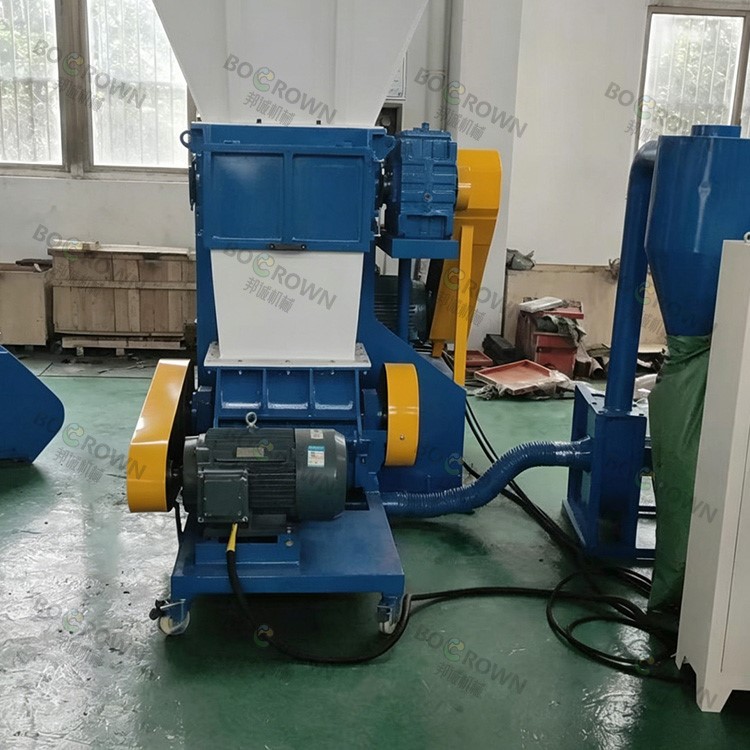
Active dust removal systems are a core component of dust control. Dust extraction hoods and pumps are usually integrated into the top of the shredding chamber or feed hopper; by creating an internal negative-pressure environment, they actively capture airborne dust and debris generated during the shredding process. These dust-laden airflows are routed to associated dust collection bins, cyclone separators, or pulse-jet bag filters, where the air is efficiently filtered before being discharged as clean air. This source-capture approach significantly lowers dust concentrations within the workshop and ensures air quality.
3. Wet Dust Suppression and Spraying Technologies
For specific types of materials, wet processing methods can be employed to suppress dust. Installing dry fog or water spray systems at the shredder's feed inlet or within the crushing chamber allows finely atomized water droplets to capture airborne dust particles; these particles then agglomerate, gain weight, and settle. This approach effectively prevents the dispersion of fine dust without causing the material to form excessive wet sludge. Additionally, deploying mist cannons around the plant perimeter or near the equipment helps intercept and settle fugitive dust.
4. Standardized Site Management and Environmental Maintenance
Beyond dust control measures integrated into the equipment itself, external management is equally important. Roads within the facility should be paved and regularly cleaned using vacuum sweepers to prevent secondary dust generation caused by vehicle traffic. Exposed ground areas or material stockpiles near the industrial shredders should be bordered by wind-breaking and dust-trapping green belts or tightly covered with dust-suppression netting. Establishing a long-term dust control mechanism, combined with regular water spraying, can further reduce the overall risk of dust pollution.
If you would like to learn more about industrial shredders, please feel free to contact ZJG BC Machinery. Our professional team is ready to listen to your needs and provide you with tailored advice and guidance.