Solutions for Unstable Discharge in the Feeding System
Unstable discharge from the feeding system can cause fluctuations in the extruder's main motor current, inconsistent product dimensions, and even material flow interruptions or system shutdowns. Resolving this issue typically requires troubleshooting and optimization across four core dimensions:
1. Optimize Hopper Structure and Arch-Breaking Design
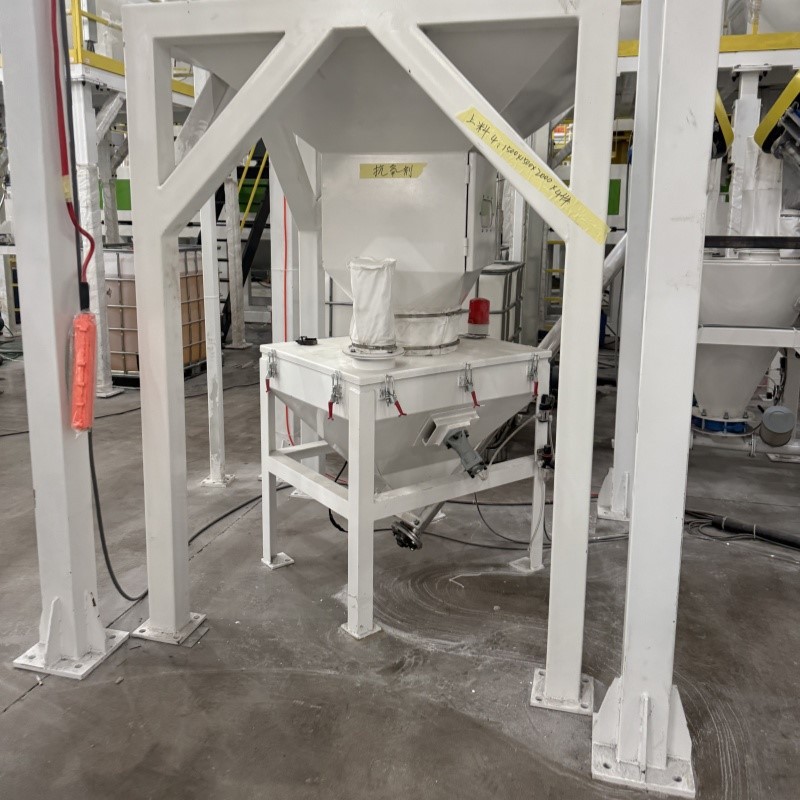
The most common cause of unstable feeding is the formation of "bridges" or "ratholes" by raw materials within the hopper, leading to intermittent discharge. For powders with poor flowability or granules prone to moisture absorption, the hopper's conical section angle should be optimized, or low-friction liners installed on the inner walls to promote overall flow. Additionally, variable-frequency vibration arch-breaking devices or mechanical agitators can be installed at the hopper bottom; physical vibration or agitation breaks up material arches, ensuring the feeding system receives a continuous and uniform supply of raw material.
2. Inspect Mechanical Feeding Components and Drive Systems
Wear or design flaws in mechanical components can directly cause fluctuations in discharge volume. It is crucial to inspect the feeding screw or belt for wear; excessive clearance between the screw and the barrel can lead to material backflow and unstable fill rates. For twin-screw feeders, consider modifying the internal screw to a variable-diameter design or reducing the screw pitch at the discharge outlet to compress the material, thereby ensuring consistent conveying volume across each screw section. Furthermore, check for loose drive belts and verify that motor speed remains constant to guarantee the continuity and stability of mechanical conveying.
3. Eliminate Air Leaks and Negative Pressure Interference
Poor airtightness is a major cause of fluctuations in powder or granule feeding. Air leaks at connections, valves, or flexible couplings can severely disrupt material settling and metering, resulting in "surging" or interrupted discharge. Thoroughly inspect and reinforce the seals at all pipe connections. Additionally, check if the dust collection system or negative pressure in the chute is excessive; strong negative pressure can pull on load cells or alter material flow velocity. If necessary, install air relief measures or adjust flexible connections to isolate the system from negative pressure effects
4.Calibration of Control Systems and Electrical Signals
Modern feeding systems rely heavily on automated controls, and electrical signal interference can distort feedback data. It is essential to verify the secure connection of critical components-such as load cells and speed sensors-and ensure that shielded cables are independently grounded to prevent electromagnetic interference from variable frequency drives or motors from causing fluctuations in readings. Additionally, zero-point calibration and physical calibration of the weighing modules should be performed regularly, and the controller's PID parameters should be optimized based on actual production conditions to prevent continuous oscillation in feed rates caused by excessive system sensitivity or lag.
If you would like to learn more about feeding systems, please feel free to contact ZJG BC Machinery; we can provide process optimization solutions.