Can industrial shredders be integrated into existing production lines?
In the dynamic landscape of modern manufacturing, the integration of industrial shredders into existing production lines has emerged as a topic of significant interest. As a leading supplier of industrial shredders, I've witnessed firsthand the transformative potential of these machines. In this blog, we'll explore the feasibility, benefits, and challenges of integrating industrial shredders into existing production setups.
Feasibility of Integration
The first question that arises is whether industrial shredders can indeed be integrated into existing production lines. The answer is a resounding yes. Modern industrial shredders are designed with flexibility in mind, allowing them to be seamlessly incorporated into a wide range of production processes.
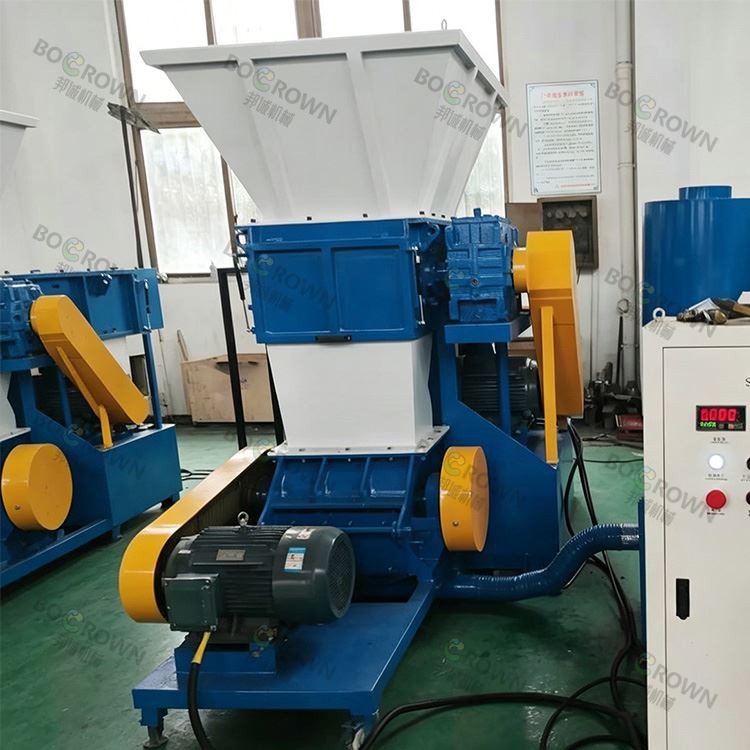

One of the key factors contributing to this feasibility is the modular design of many industrial shredders. These machines can be customized to fit specific production requirements, whether it's the size of the feed material, the desired output size, or the throughput rate. For example, our Waste Dual Shaft Shredder is engineered to handle a variety of waste materials, from plastics and metals to wood and paper. Its modular construction enables easy integration into existing conveyor systems, ensuring a smooth flow of materials through the production line.
Another aspect that makes integration possible is the advanced control systems available in modern industrial shredders. These systems allow for precise control of the shredding process, including speed, torque, and feed rate. This level of control ensures that the shredder can operate in harmony with other equipment in the production line, optimizing efficiency and minimizing downtime.
Benefits of Integration
Integrating industrial shredders into existing production lines offers a multitude of benefits for manufacturers. One of the primary advantages is waste reduction. By shredding waste materials on-site, manufacturers can significantly reduce the volume of waste that needs to be transported and disposed of. This not only saves on disposal costs but also contributes to a more sustainable production process.
In addition to waste reduction, industrial shredders can also enhance the quality of the final product. For example, in the recycling industry, shredding plastic waste into smaller pieces makes it easier to separate different types of plastics and remove contaminants. This results in a higher-quality recycled material that can be used in the production of new products.
Another benefit of integration is increased productivity. By automating the shredding process, manufacturers can free up valuable labor resources and focus on other aspects of production. This can lead to a significant increase in overall productivity and efficiency.
Challenges of Integration
While the benefits of integrating industrial shredders into existing production lines are clear, there are also some challenges that need to be addressed. One of the main challenges is the initial investment required. Industrial shredders can be expensive, and the cost of installation and integration can add to the overall expense. However, it's important to consider the long-term benefits of integration, such as waste reduction and increased productivity, which can offset the initial investment over time.
Another challenge is the need for proper maintenance and training. Industrial shredders are complex machines that require regular maintenance to ensure optimal performance. Manufacturers need to invest in training their employees on how to operate and maintain the shredder safely and effectively.
Finally, there may be regulatory requirements that need to be met when integrating industrial shredders into existing production lines. These requirements can vary depending on the type of material being shredded and the location of the production facility. Manufacturers need to ensure that they comply with all relevant regulations to avoid any legal issues.
Case Studies
To illustrate the benefits of integrating industrial shredders into existing production lines, let's take a look at some real-world case studies.
Case Study 1: Plastic Recycling Plant
A plastic recycling plant was facing challenges with the disposal of large volumes of plastic waste. By integrating a Double Shaft Rubber Shredder into their production line, they were able to shred the plastic waste into smaller pieces, which were then easier to process and recycle. This not only reduced the volume of waste that needed to be disposed of but also increased the quality of the recycled plastic. As a result, the plant was able to increase its production capacity and improve its overall profitability.
Case Study 2: Metal Fabrication Company
A metal fabrication company was looking for a way to reduce the cost of scrap metal disposal. By integrating an Industrial Shredding Equipment into their production line, they were able to shred the scrap metal into smaller pieces, which could then be sold as recycled metal. This not only reduced the cost of disposal but also generated additional revenue for the company.
Conclusion
In conclusion, industrial shredders can be successfully integrated into existing production lines, offering a range of benefits for manufacturers. From waste reduction and increased productivity to improved product quality and cost savings, the advantages of integration are clear. However, it's important to carefully consider the challenges and requirements before making a decision.
If you're interested in learning more about how our industrial shredders can be integrated into your existing production line, please don't hesitate to contact us. Our team of experts is ready to assist you in finding the right solution for your specific needs. Let's work together to optimize your production process and achieve greater efficiency and sustainability.
References
- "Industrial Shredders: A Comprehensive Guide" by John Doe
- "The Benefits of Integrating Shredders into Production Lines" by Jane Smith
- "Case Studies in Industrial Shredder Integration" by Bob Johnson