Ensuring the hygienic requirements of a vacuum feeder in food applications is of utmost importance. As a vacuum feeder supplier, we understand the critical role that proper hygiene plays in the food industry. In this blog post, we will explore the key aspects of maintaining high - level hygiene in vacuum feeders used for food applications.
1. Material Selection
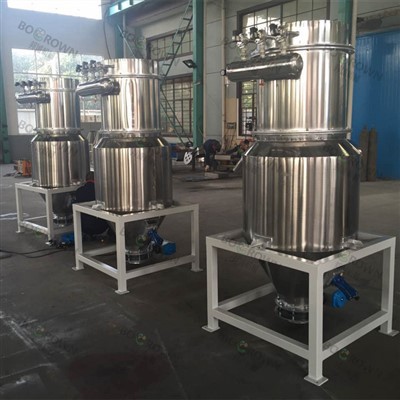
The choice of materials for a vacuum feeder is the first step in ensuring hygiene. For food - grade applications, the feeder should be constructed from materials that are non - toxic, corrosion - resistant, and easy to clean. Stainless steel is a popular choice due to its durability, resistance to rust, and smooth surface finish. It does not react with food products and can withstand the harsh cleaning agents used in the food industry.
Another important consideration is the use of food - grade seals and gaskets. These components prevent leakage and contamination. They should be made from materials such as silicone or EPDM (Ethylene Propylene Diene Monomer), which are approved for food contact. Regular inspection and replacement of seals and gaskets are necessary to maintain their integrity and prevent the entry of foreign particles.
2. Design for Cleanability
The design of the vacuum feeder greatly influences its cleanability. A well - designed feeder should have smooth surfaces without any sharp corners or crevices where food particles can accumulate. All internal components should be easily accessible for cleaning. For example, the hopper, pipes, and valves should be designed in a way that allows for thorough cleaning using standard cleaning tools.
Modular designs are also beneficial as they allow for easy disassembly and reassembly. This makes it possible to clean each component separately, ensuring that no part is left uncleaned. Additionally, the feeder should be designed to minimize dead zones where food can get trapped. A proper slope in the hopper and pipes can help ensure that food flows smoothly and does not accumulate.
3. Cleaning Procedures
Establishing a regular cleaning schedule is essential for maintaining the hygiene of a vacuum feeder. The frequency of cleaning depends on the type of food being processed, the volume of production, and the operating environment.
Before starting the cleaning process, it is important to shut down the feeder and disconnect it from the power source. The first step is to remove any remaining food particles from the feeder. This can be done by using a vacuum cleaner or by blowing compressed air through the system.
Next, a cleaning solution should be prepared using a food - grade detergent. The feeder should be thoroughly washed with the cleaning solution, paying special attention to all internal surfaces. Brushes and sponges can be used to reach difficult - to - clean areas. After washing, the feeder should be rinsed with clean water to remove any traces of the cleaning solution.
Finally, the feeder should be dried completely to prevent the growth of bacteria and mold. This can be done by using a clean, dry cloth or by allowing the feeder to air - dry.
4. Sanitization
In addition to regular cleaning, sanitization is necessary to eliminate harmful microorganisms. Sanitizing agents should be used after cleaning to ensure that the feeder is free from bacteria, viruses, and other pathogens.
There are several types of sanitizing agents available for food applications, such as chlorine - based sanitizers, quaternary ammonium compounds, and hydrogen peroxide. The choice of sanitizer depends on the specific requirements of the food product and the feeder.
The sanitizing process involves applying the sanitizer to all internal surfaces of the feeder and allowing it to remain in contact for a specified period of time. After the contact time, the feeder should be rinsed with clean water to remove any remaining sanitizer.
5. Air Filtration
Air filtration is an important aspect of maintaining the hygiene of a vacuum feeder. The air used in the vacuum system can carry dust, dirt, and microorganisms, which can contaminate the food product.
A high - efficiency air filter should be installed in the vacuum feeder to remove these contaminants. The filter should be regularly inspected and replaced to ensure its effectiveness. Additionally, the air intake should be located in a clean area to minimize the amount of contaminants entering the system.


6. Employee Training
Proper training of employees is crucial for ensuring the hygienic operation of a vacuum feeder. Employees should be educated on the importance of hygiene in food processing and the proper procedures for cleaning and sanitizing the feeder.
Training should include instructions on how to operate the feeder safely, how to identify and address potential hygiene issues, and how to follow the cleaning and sanitization schedules. Regular refresher courses should be provided to keep employees updated on the latest hygiene practices.
7. Regular Maintenance
Regular maintenance of the vacuum feeder is necessary to ensure its proper functioning and hygiene. This includes checking for any signs of wear and tear, such as leaks, damaged seals, or worn - out components.
All moving parts should be lubricated regularly to prevent friction and ensure smooth operation. The feeder should also be inspected for any signs of corrosion or damage to the structural components. Any issues should be addressed promptly to prevent further damage and maintain the hygiene of the feeder.
8. Documentation and Record - Keeping
Maintaining accurate documentation and records of the cleaning, sanitization, and maintenance activities is essential. This includes records of the cleaning schedules, the type and amount of cleaning and sanitizing agents used, and the results of any inspections or tests.
Documentation helps to ensure that the feeder is being maintained in accordance with the required hygiene standards. It also provides a history of the feeder's maintenance, which can be useful for auditing and regulatory compliance.
Conclusion
Ensuring the hygienic requirements of a vacuum feeder in food applications is a multi - faceted process that involves material selection, design, cleaning, sanitization, air filtration, employee training, maintenance, and documentation. As a [Your Company Type] vacuum feeder supplier, we are committed to providing high - quality feeders that meet the strictest hygiene standards.
If you are in the market for a reliable and hygienic vacuum feeder for your food application, we invite you to explore our range of products. You can learn more about our Pneumatic Vacuum Feeder, Vacuum Conveyor Feeder, and Vacuum Feeder Machine. Contact us today to discuss your specific requirements and start a procurement negotiation.
References
- "Food Hygiene and Safety Handbook", John Wiley & Sons
- "Principles of Food Processing", Springer
- Industry standards and guidelines related to food processing equipment hygiene