When it comes to operating a filter cartridge dust collector, compliance with regulations is not just a legal necessity but also a critical aspect of ensuring the safety and efficiency of your operations. As a supplier of filter cartridge dust collectors, I understand the challenges and importance of adhering to the relevant rules and standards. In this blog, I'll share some key points on how to comply with the regulations when using a filter cartridge dust collector.
Understanding the Regulatory Landscape
Before diving into the details of compliance, it's essential to have a clear understanding of the regulatory environment. Different regions and industries have their own sets of regulations regarding dust collection systems. For example, in the United States, the Occupational Safety and Health Administration (OSHA) has specific standards for workplace air quality and dust control. These standards are designed to protect workers from the harmful effects of dust inhalation, which can lead to respiratory diseases and other health issues.
In addition to OSHA, there may be local environmental regulations that govern the emission of dust into the atmosphere. These regulations are aimed at reducing air pollution and protecting the environment. It's crucial to stay informed about the specific regulations that apply to your location and industry. You can consult with local regulatory agencies or industry associations to get the most up-to-date information.
Selecting the Right Filter Cartridge Dust Collector
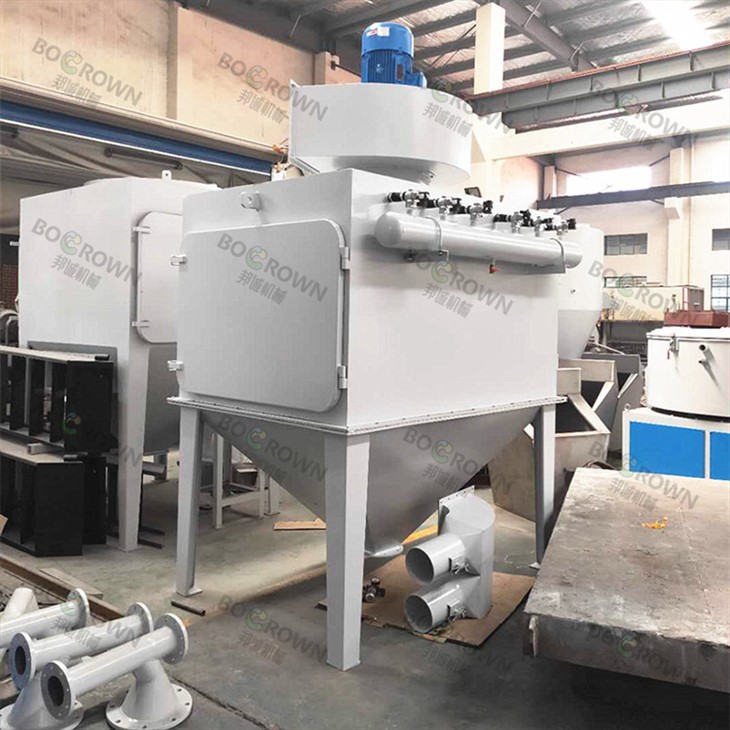
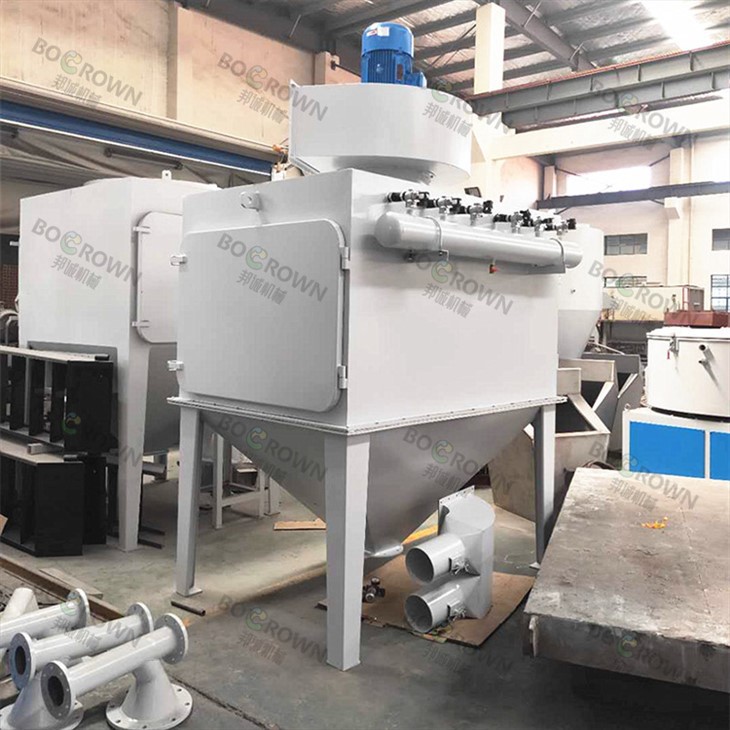
One of the first steps in complying with regulations is to choose the right filter cartridge dust collector for your application. The Dust Collector Cartridge Filter is a key component of the dust collection system, and its performance can significantly impact the overall efficiency and compliance of the system.
When selecting a dust collector, consider the following factors:
- Airflow Requirements: Determine the amount of air that needs to be processed by the dust collector. This will depend on the size of the workspace, the type of dust being generated, and the number of dust-producing sources.
- Dust Characteristics: Different types of dust have different properties, such as particle size, density, and chemical composition. Choose a filter cartridge that is designed to effectively capture the specific type of dust you are dealing with.
- Filtration Efficiency: Look for a dust collector with a high filtration efficiency to ensure that it can remove a large percentage of the dust particles from the air. The filtration efficiency is typically measured by the Minimum Efficiency Reporting Value (MERV) or the European Standard EN 779.
- Compliance with Standards: Make sure the dust collector meets the relevant industry standards and regulations. For example, it should be designed and manufactured in accordance with the National Fire Protection Association (NFPA) standards if it is used in a potentially explosive environment.
Installation and Maintenance
Proper installation and maintenance of the filter cartridge dust collector are essential for compliance. Here are some key points to keep in mind:
- Installation: Follow the manufacturer's instructions carefully when installing the dust collector. Ensure that it is installed in a well-ventilated area and that all connections are properly sealed to prevent dust leakage.
- Regular Inspections: Conduct regular inspections of the dust collector to check for any signs of wear and tear, damage, or blockages. Replace any worn or damaged parts promptly to maintain the performance of the system.
- Filter Replacement: Replace the filter cartridges at the recommended intervals to ensure optimal filtration efficiency. The frequency of filter replacement will depend on the type of dust, the operating conditions, and the manufacturer's recommendations.
- Cleaning: Regularly clean the dust collector to remove any accumulated dust and debris. This will help to prevent clogging and ensure the proper functioning of the system.
Monitoring and Testing
Monitoring and testing are important aspects of compliance. By regularly monitoring the performance of the dust collector, you can ensure that it is operating within the regulatory limits. Here are some monitoring and testing methods:
- Air Quality Monitoring: Use air quality monitoring equipment to measure the concentration of dust particles in the air. This will help you to determine if the dust collector is effectively removing the dust from the air and if the air quality in the workspace meets the regulatory standards.
- Pressure Drop Monitoring: Monitor the pressure drop across the filter cartridges to ensure that they are not clogged. A high pressure drop can indicate a problem with the filtration system and may require immediate attention.
- Leak Testing: Conduct leak testing to check for any air leaks in the dust collection system. Air leaks can reduce the efficiency of the system and may lead to the release of dust into the environment.
Employee Training
Proper employee training is crucial for compliance. Employees should be trained on the safe and proper use of the filter cartridge dust collector, as well as the importance of compliance with the regulations. Here are some training topics that should be covered:
- Operation and Maintenance: Train employees on how to operate and maintain the dust collector, including how to start and stop the system, how to replace the filter cartridges, and how to perform regular inspections.
- Safety Procedures: Teach employees about the potential hazards associated with dust collection and the safety procedures that should be followed to prevent accidents and injuries.
- Regulatory Requirements: Educate employees about the relevant regulations and standards that apply to the dust collection system and their role in ensuring compliance.
Record-Keeping
Maintaining accurate records is an important part of compliance. Keep records of the installation, maintenance, monitoring, and testing of the dust collector. These records can be used to demonstrate compliance with the regulations and to provide evidence in case of an inspection or audit. Here are some records that should be kept:
- Installation Records: Keep records of the installation date, the model and serial number of the dust collector, and the installation location.
- Maintenance Records: Record the dates of all maintenance activities, including filter replacement, cleaning, and repairs.
- Monitoring Records: Keep records of the air quality monitoring results, pressure drop measurements, and leak testing results.
- Training Records: Maintain records of the employee training sessions, including the topics covered, the date of the training, and the names of the employees who attended.
Conclusion
Complying with the regulations when using a filter cartridge dust collector is essential for the safety and efficiency of your operations. By understanding the regulatory landscape, selecting the right dust collector, ensuring proper installation and maintenance, monitoring and testing the system, providing employee training, and keeping accurate records, you can ensure that your dust collection system meets the relevant standards and regulations.
If you are interested in purchasing a filter cartridge dust collector or need more information about compliance, please feel free to contact us. We are a leading supplier of Filter Dust Collector and Bin Vent Dust Collectors, and we can provide you with the best solutions for your dust collection needs.
References
- Occupational Safety and Health Administration (OSHA). (n.d.). Dust control standards. Retrieved from [OSHA website]
- National Fire Protection Association (NFPA). (n.d.). Standards for dust collection systems. Retrieved from [NFPA website]
- European Standard EN 779. (n.d.). Air filters for general ventilation - Determination of the filtration performance. Retrieved from [EN 779 website]