Hey there! As a supplier of bag filter dust collectors, I've seen firsthand the crucial role that dust monitoring devices play in these systems. In this blog, I'll break down why these devices are so important and how they enhance the performance of bag filter dust collectors.
Understanding Bag Filter Dust Collectors
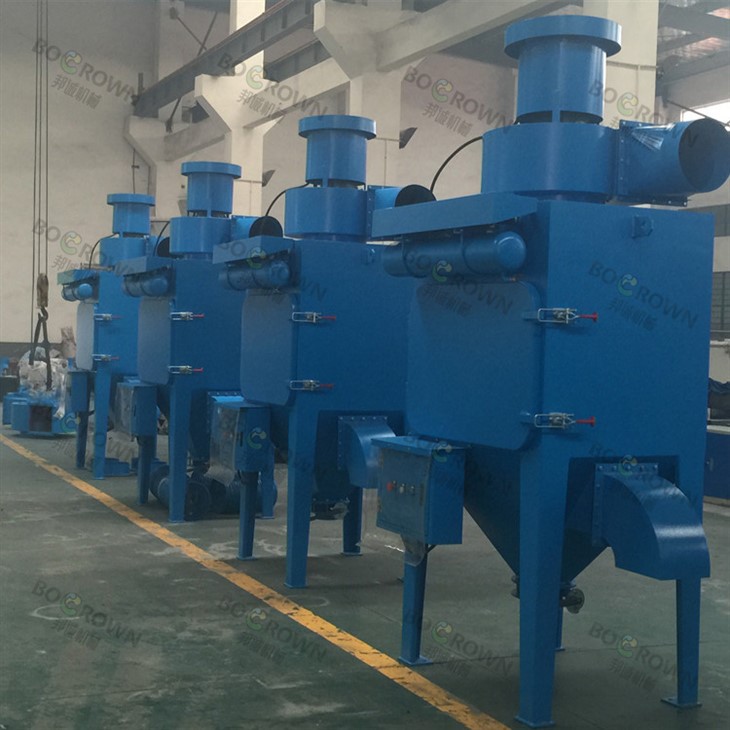
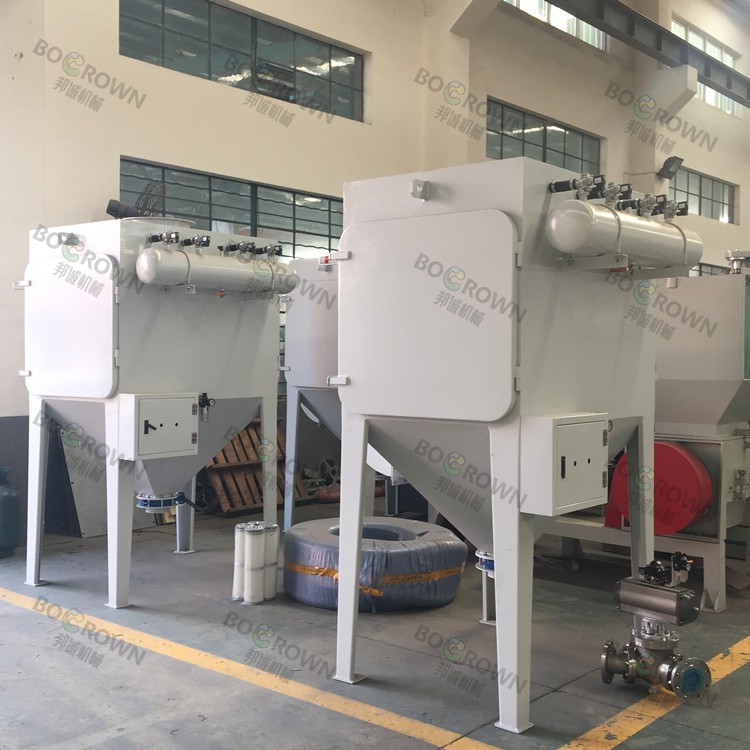
First off, let's quickly go over what bag filter dust collectors are. These are systems designed to remove dust and particulate matter from industrial exhaust gases. They work by passing the dirty air through a series of filter bags. The dust particles get trapped on the surface of the bags, while the clean air passes through and is released into the environment.
Bag filter dust collectors are used in a wide range of industries, from manufacturing and mining to food processing and pharmaceuticals. They're essential for maintaining a clean and safe working environment, as well as for meeting environmental regulations. You can learn more about Filter Bag Dust Collectors on our website.
The Role of Dust Monitoring Devices
Now, let's talk about dust monitoring devices. These are sensors that are installed in bag filter dust collectors to measure the concentration of dust in the exhaust air. They provide real-time data on the performance of the dust collector, allowing operators to make informed decisions about maintenance and operation.
1. Ensuring Compliance with Regulations
One of the primary roles of dust monitoring devices is to help companies comply with environmental regulations. Many countries and regions have strict limits on the amount of dust that can be released into the atmosphere. By continuously monitoring the dust concentration in the exhaust air, dust monitoring devices can alert operators if the emissions exceed the permitted levels. This allows companies to take corrective action quickly, avoiding costly fines and potential damage to the environment.
2. Detecting Filter Bag Failures
Another important role of dust monitoring devices is to detect filter bag failures. Over time, filter bags can wear out or develop holes, allowing dust to pass through and escape into the exhaust air. Dust monitoring devices can detect even small increases in dust concentration, indicating that a filter bag may be damaged. By identifying filter bag failures early, operators can replace the damaged bags before they cause a significant increase in emissions.
3. Optimizing Dust Collector Performance
Dust monitoring devices also play a crucial role in optimizing the performance of bag filter dust collectors. By providing real-time data on the dust concentration in the exhaust air, operators can adjust the operating parameters of the dust collector, such as the airflow rate and the cleaning cycle, to ensure that it is operating at maximum efficiency. This can help to reduce energy consumption, extend the life of the filter bags, and improve the overall performance of the dust collector.
4. Predictive Maintenance
In addition to detecting filter bag failures, dust monitoring devices can also be used for predictive maintenance. By analyzing the trends in the dust concentration data over time, operators can identify patterns that may indicate potential problems with the dust collector. For example, a gradual increase in dust concentration may indicate that the filter bags are becoming clogged and need to be cleaned or replaced. By predicting these problems in advance, operators can schedule maintenance activities at a convenient time, minimizing downtime and reducing maintenance costs.
Types of Dust Monitoring Devices
There are several types of dust monitoring devices available on the market, each with its own advantages and disadvantages. Some of the most common types include:
1. Optical Dust Monitors
Optical dust monitors use light scattering to measure the concentration of dust in the air. They work by shining a beam of light through a sample of air and measuring the amount of light that is scattered by the dust particles. Optical dust monitors are relatively inexpensive and easy to use, but they can be affected by factors such as humidity and the size and shape of the dust particles.
2. Beta Attenuation Monitors
Beta attenuation monitors use a radioactive source to measure the mass of dust in the air. They work by passing a sample of air through a filter, which collects the dust particles. The filter is then passed through a beta radiation source, and the amount of radiation that is absorbed by the dust particles is measured. Beta attenuation monitors are more accurate than optical dust monitors, but they are also more expensive and require more maintenance.
3. Electrostatic Precipitator Monitors
Electrostatic precipitator monitors use an electrostatic field to collect and measure the dust particles in the air. They work by passing a sample of air through an electrostatic field, which causes the dust particles to become charged and stick to a collection plate. The amount of dust on the collection plate is then measured using a sensor. Electrostatic precipitator monitors are highly accurate and can measure very low concentrations of dust, but they are also more expensive and require more maintenance than other types of dust monitoring devices.
Choosing the Right Dust Monitoring Device
When choosing a dust monitoring device for your bag filter dust collector, there are several factors to consider. These include:
1. Accuracy
The accuracy of the dust monitoring device is one of the most important factors to consider. You want to choose a device that can provide accurate and reliable data on the dust concentration in the exhaust air.
2. Range
The range of the dust monitoring device is also important. You want to choose a device that can measure the dust concentration over the range of values that are likely to be encountered in your application.
3. Cost
The cost of the dust monitoring device is another important factor to consider. You want to choose a device that is within your budget, but also provides the level of accuracy and performance that you need.
4. Maintenance
The maintenance requirements of the dust monitoring device are also important. You want to choose a device that is easy to maintain and requires minimal downtime.
Conclusion
In conclusion, dust monitoring devices play a crucial role in the performance and operation of bag filter dust collectors. They help to ensure compliance with environmental regulations, detect filter bag failures, optimize dust collector performance, and enable predictive maintenance. By choosing the right dust monitoring device for your application, you can improve the efficiency and reliability of your bag filter dust collector, reduce energy consumption, and extend the life of the filter bags.
If you're interested in learning more about bag filter dust collectors or dust monitoring devices, or if you're looking to purchase a dust collector for your business, please don't hesitate to contact us. We'd be happy to discuss your specific needs and provide you with a customized solution.
References
- "Dust Monitoring Technology: A Review." Environmental Science & Technology, vol. 45, no. 1, 2011, pp. 1-10.
- "Bag Filter Dust Collectors: Principles, Design, and Operation." Chemical Engineering Progress, vol. 107, no. 11, 2011, pp. 46-53.