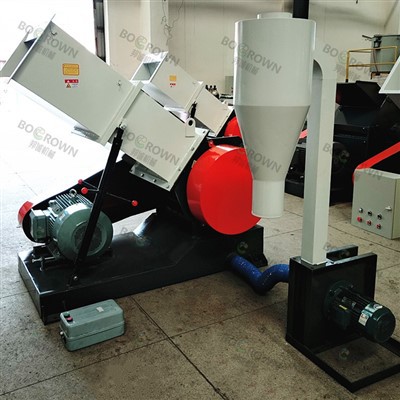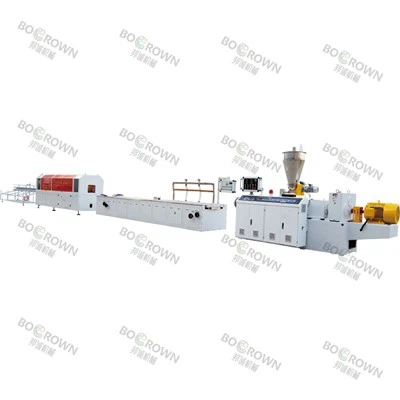
As a supplier of feeder machines, I've had the privilege of witnessing firsthand the diverse applications and challenges that come with using these machines across various industries. One of the most frequently asked questions I encounter is about the compatibility of feeder machines with different materials. In this blog post, I'll delve into this topic, exploring the factors that influence compatibility and providing insights into how to choose the right feeder machine for your specific material handling needs.
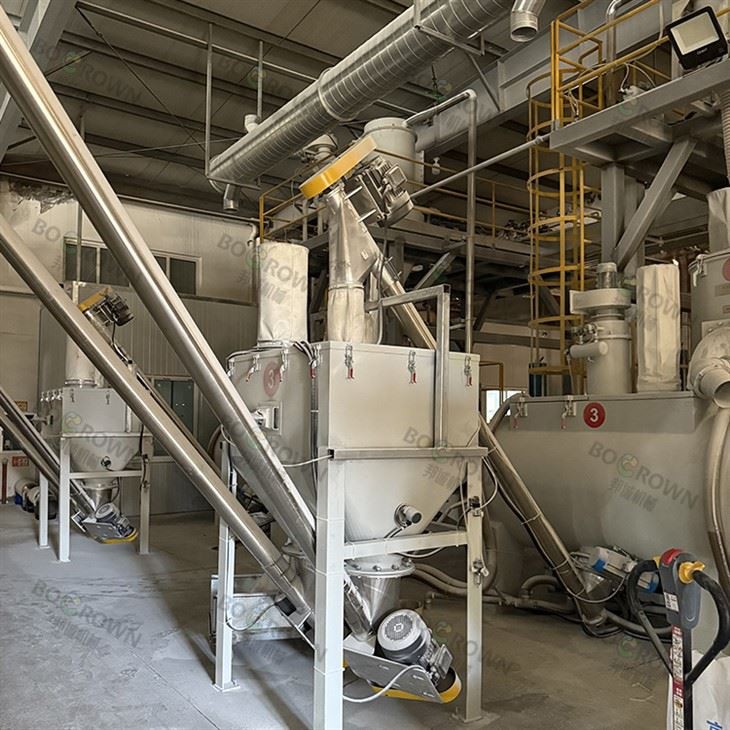
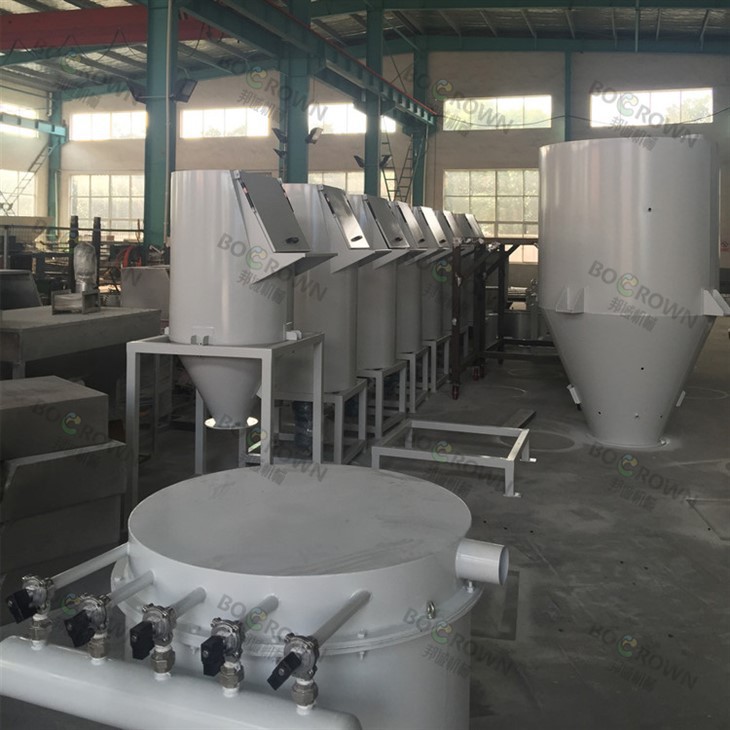
Understanding Feeder Machines
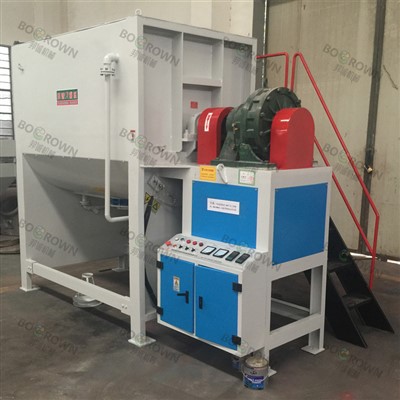
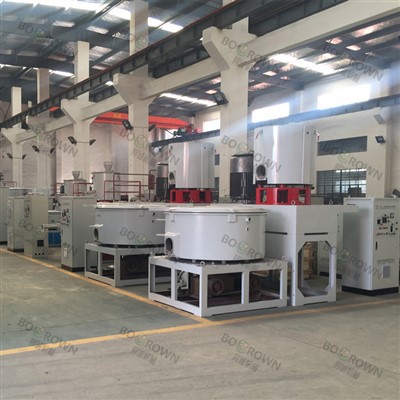
Before we discuss compatibility, it's essential to understand what feeder machines are and how they work. Feeder machines are devices used to transport, meter, and control the flow of materials from one point to another. They are commonly used in industries such as manufacturing, food processing, pharmaceuticals, and agriculture, among others. There are several types of feeder machines available, each designed to handle different types of materials and meet specific application requirements. Some of the most common types of feeder machines include:
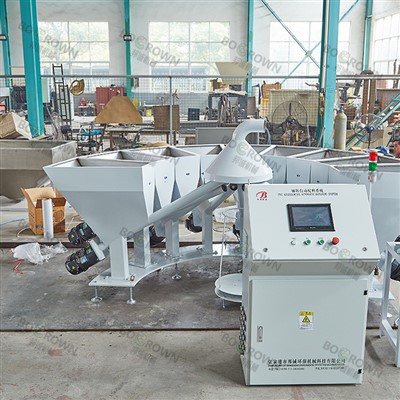
- Automatic Screw Feeder: This type of feeder uses a screw mechanism to convey materials in a controlled manner. It is suitable for handling dry, free-flowing materials such as powders, granules, and pellets. Automatic Screw Feeder
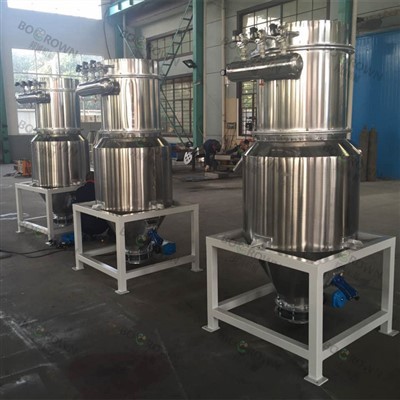
- Pneumatic Vacuum Feeder: Pneumatic vacuum feeders use air pressure to transport materials through a pipeline. They are ideal for handling lightweight, fine powders and can be used in applications where dust control is a concern. Pneumatic Vacuum Feeder
- Vacuum Conveyor Feeder: Similar to pneumatic vacuum feeders, vacuum conveyor feeders use vacuum technology to move materials. They are often used for conveying bulk materials over longer distances and can handle a wide range of materials, including powders, granules, and even small parts. Vacuum Conveyor Feeder
Factors Affecting Compatibility
The compatibility of a feeder machine with different materials depends on several factors, including the physical and chemical properties of the material, the design and construction of the feeder machine, and the operating conditions. Here are some of the key factors to consider:
Material Properties
- Particle Size and Shape: The size and shape of the material particles can significantly affect the performance of a feeder machine. For example, fine powders may require a feeder with a smaller screw pitch or a more precise metering mechanism to ensure accurate feeding. Irregularly shaped particles may also pose challenges, as they can cause clogging or uneven flow.
- Density and Bulk Density: The density and bulk density of the material determine the amount of material that can be transported per unit time. Feeder machines need to be designed to handle the specific density and bulk density of the material to ensure efficient and reliable operation.
- Moisture Content: Moisture can affect the flowability of materials and may cause clogging or bridging in the feeder. Some materials may require special handling or drying before they can be fed into the machine.
- Abrasion and Corrosion Resistance: If the material is abrasive or corrosive, the feeder machine needs to be made of materials that can withstand the wear and tear. This may include using hardened steel, stainless steel, or other corrosion-resistant materials.
Feeder Machine Design
- Feeding Mechanism: Different feeding mechanisms are suitable for different types of materials. For example, screw feeders are ideal for handling dry, free-flowing materials, while pneumatic feeders are better suited for lightweight powders.
- Capacity and Flow Rate: The capacity and flow rate of the feeder machine need to be matched to the requirements of the application. If the feeder is too small, it may not be able to keep up with the demand, while if it is too large, it may be inefficient and waste energy.
- Material Contact Surfaces: The surfaces of the feeder machine that come into contact with the material need to be smooth and free of any sharp edges or protrusions to prevent material buildup and clogging.
Operating Conditions
- Temperature and Humidity: Extreme temperatures and high humidity can affect the performance of the feeder machine and the material being fed. Some materials may become sticky or lose their flowability at high temperatures, while others may absorb moisture in humid environments.
- Vibration and Shock: Feeder machines may be subjected to vibration and shock during operation, which can affect the accuracy and reliability of the feeding process. It is important to ensure that the feeder is properly installed and secured to minimize the impact of vibration and shock.
Choosing the Right Feeder Machine for Your Material
To ensure the compatibility of a feeder machine with your specific material, it is important to consider the factors discussed above and choose a machine that is designed to handle the material's properties and meet the requirements of your application. Here are some steps to help you choose the right feeder machine:
- Identify the Material Properties: Determine the particle size, shape, density, moisture content, and other relevant properties of the material you need to feed. This information will help you select a feeder machine that is suitable for the material.
- Understand the Application Requirements: Consider the flow rate, capacity, and accuracy requirements of your application. This will help you determine the size and type of feeder machine you need.
- Research Different Feeder Machine Types: Explore the different types of feeder machines available and their features and benefits. Consider factors such as feeding mechanism, capacity, and material compatibility when making your decision.
- Consult with a Feeder Machine Supplier: A reputable feeder machine supplier can provide valuable insights and guidance on choosing the right machine for your needs. They can also offer customized solutions and support to ensure the successful implementation of your feeding system.
Conclusion
The compatibility of a feeder machine with different materials is a critical factor in ensuring the efficient and reliable operation of your material handling system. By understanding the factors that affect compatibility and choosing the right feeder machine for your specific material and application, you can optimize the performance of your feeding system and improve productivity.
If you are in the market for a feeder machine and need help choosing the right one for your needs, please feel free to contact us. Our team of experts is here to assist you in selecting the most suitable feeder machine for your application and providing you with the support and service you need to ensure its successful operation.
References
- "Handbook of Powder Technology: Volume 1 - Particle Characterization." Elsevier, 1980.
- "Pneumatic Conveying of Solids: A Theoretical and Practical Approach." Springer, 2003.
- "Feeder Selection Guide." Manufacturer's Handbook, 2015.