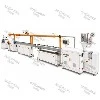
Sealing Performance of the Feeding System
The sealing performance of the feeding system directly determines the operational stability of the extrusion line and the quality of the workshop environment. A well-designed and properly maintained feeding system offers excellent sealing capabilities, primarily demonstrated across the following four key dimensions:
1. Material Isolation and Protection Against Moisture and Contamination
High-quality feeding systems utilize fully enclosed conveying and storage structures that effectively isolate materials from the external environment. This highly sealed design not only prevents atmospheric moisture from causing raw materials to clump but also completely blocks external contaminants-such as dust and insects-from entering the piping. For engineering plastics that are highly hygroscopic or require extreme purity, superior sealing is the first line of defense in ensuring stable material properties and preventing defects like bubbles or impurities in the final extruded products.
2. Dust Control and Workshop Environmental Protection
When conveying powders or fine granular materials, the system's sealing performance is directly linked to occupational health and safety within the workshop. A system with excellent sealing prevents material leakage and dust dispersion during conveying, weighing, and feeding processes. This significantly improves the working environment for operators and reduces health risks associated with dust inhalation or explosions; simultaneously, it eliminates the wasteful loss of valuable raw materials, aligning with modern factory standards for green and clean production.
3. Negative Pressure Stability and Conveying Efficiency
For widely used vacuum feeding systems, sealing integrity is fundamental to maintaining the system's core driving force. Tight pipe connections and valve seals ensure a constant negative pressure within the conveying lines, preventing suction loss or airflow turbulence caused by the ingress of outside air. Only with superior sealing performance can a feeding system achieve efficient, continuous material transport, avoiding issues such as supply interruptions, uneven feeding, or frequent equipment alarms and shutdowns caused by air leaks.
4. Sealing Structure Design and Ease of Maintenance
The sealing performance of modern feeding systems relies on scientifically sound structural design and high-quality sealing materials. The equipment utilizes oil-resistant, wear-resistant, and aging-resistant silicone or rubber sealing rings at flange connections, access doors, and rotating parts. These are secured using precision clamps or bolting techniques to ensure a tight, reliable seal during long-term operation. Furthermore, the sealing components feature a modular design, allowing operators to quickly disassemble, inspect, and replace them during routine maintenance, thereby consistently maintaining the feeding system's excellent sealing performance.
If you require a feeding system, please feel free to contact us. Backed by extensive industry experience and core technical expertise, we offer comprehensive solutions covering everything from model selection to maintenance.