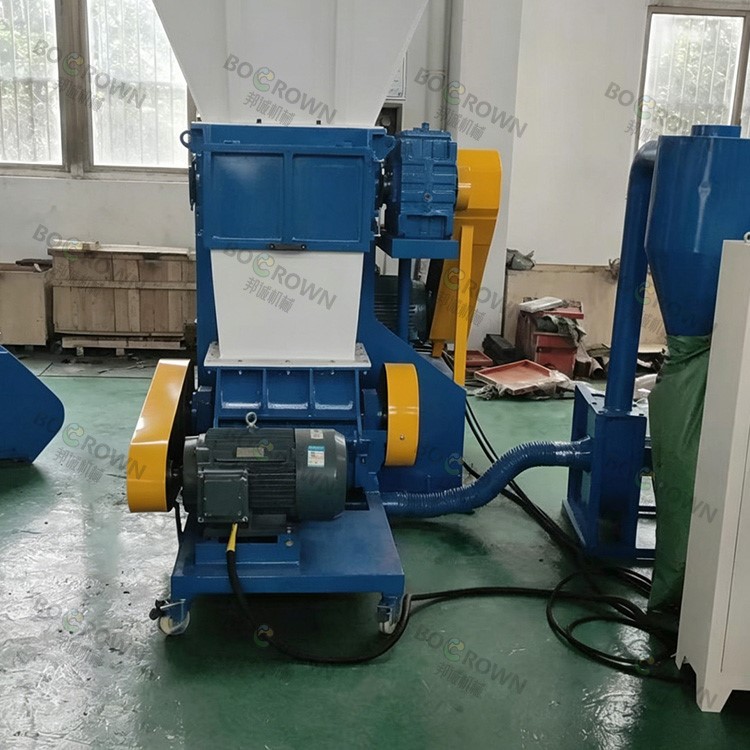
The service life of an industrial shredder is not a fixed figure; it is influenced by a combination of factors. Under normal operating and maintenance conditions, its lifespan can be analyzed through the following four core dimensions:
1. Equipment Quality and Initial Manufacturing Standards
The initial quality of the equipment is the most critical inherent factor determining its lifespan. Brand-name industrial shredders-manufactured from high-strength, corrosion-resistant, premium-grade steel and featuring precision engineering-offer core components with durability far superior to standard equipment. High-quality manufacturing processes ensure structural stability even under heavy-load operations, fundamentally and significantly extending the machine's overall service life.
2. Type and Hardness of Processed Materials
The physical properties of the materials being processed directly determine the rate of equipment wear. If the shredder consistently processes soft materials like paper or plastic film, the blades and internal components experience slower wear, resulting in a longer overall lifespan. Conversely, frequent shredding of hard metals (such as steel or aluminum) or high-density materials subjects the cutting tools and drive systems to immense stress and wear, thereby shortening the equipment's service life.
3. Operational Frequency and Environmental Conditions
The intensity of use and the operating environment are equally crucial. Industrial shredders operating continuously around the clock in recycling plants naturally experience faster wear than those used intermittently. Furthermore, if the equipment operates in harsh environments-characterized by high humidity, high temperatures, or the presence of corrosive elements-metal components are prone to rust and corrosion, accelerating the equipment's aging and performance degradation.
4. Routine Maintenance and Care Strategies
Systematic and regular maintenance is the most controllable and effective way to extend the lifespan of industrial shredders. Strictly adhering to schedules for blade inspection, sharpening, and replacement; applying high-performance lubrication to moving parts like bearings and gears; and promptly clearing accumulated waste from the shredding chamber can significantly reduce unexpected breakdowns and mechanical wear. Well-maintained shredders often far exceed their expected service life.
If you would like to learn more about the lifespan of industrial shredders or related topics, we are ready to provide professional insights. Backed by extensive industry data and a team of expert consultants, we look forward to engaging in in-depth discussions with you.